

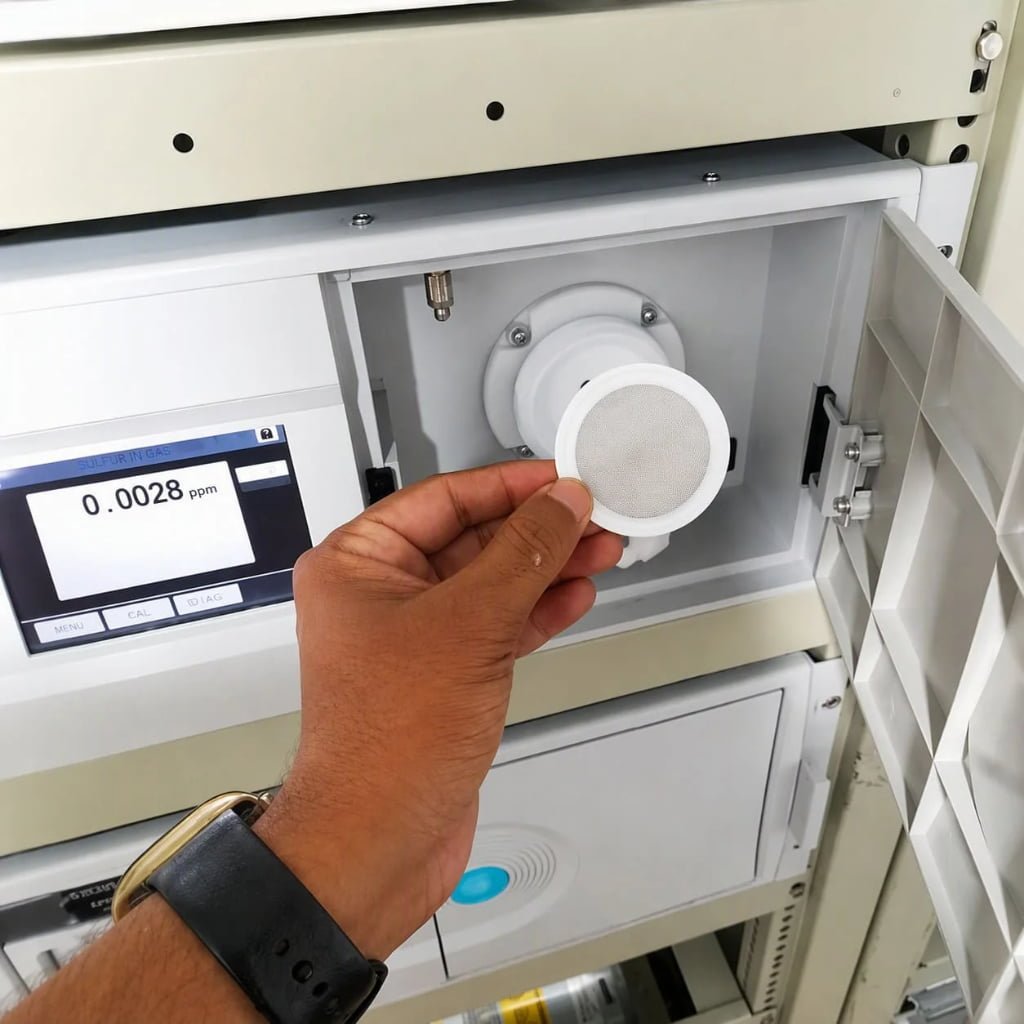
Air quality testing is crucial for our health and environment. But how do we collect accurate samples?
There are several types of air monitoring filters available. They include Grade GF/A Air Sampling Filters, Grade EPM 2000 Air Sampling Filters, PM2.5 Air Monitoring Membrane Filters, and QM-C quartz filter paper. Each type serves a unique purpose in capturing airborne particulate matter (PM) for analysis.
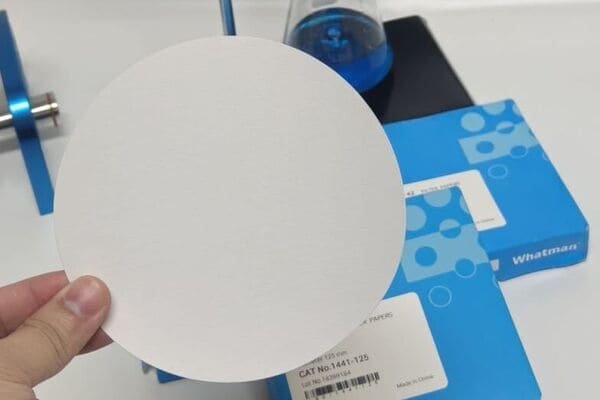
Choosing the right air sampling filter is important. It can affect the quality of your test results[^1]. Filters collect airborne particles. They trap these particles for later analysis. Lab technicians often use gravimetric methods[^2]. This means they measure the weight of PM in a certain volume of air. The results are then expressed in parts per million (PPM).
After the initial measurements, additional tests can provide a deeper understanding of the PM's composition. These specific methods can help in identifying harmful substances in the air[^3]. Yet, many people are unclear about the differences between these filters. If you have questions, please reach out to us via WhatsApp/Phone: +86 133 5442 6906 or Email: vic@huawoenv.com. We are also looking for global distribution partners!
What is the Grade GF/A Air Sampling Filters?
Grade GF/A filters are designed for high-efficiency sampling. They are made of glass fiber, which allows for high dirt-holding capacity[^4]. This means they can trap more particles without clogging quickly. Many laboratories prefer GF/A filters for their reliability.
These filters are especially useful in scenarios where you need a consistent sample quality. They can capture a variety of particulate sizes[^5]. This is critical for the accuracy of air quality assessments.
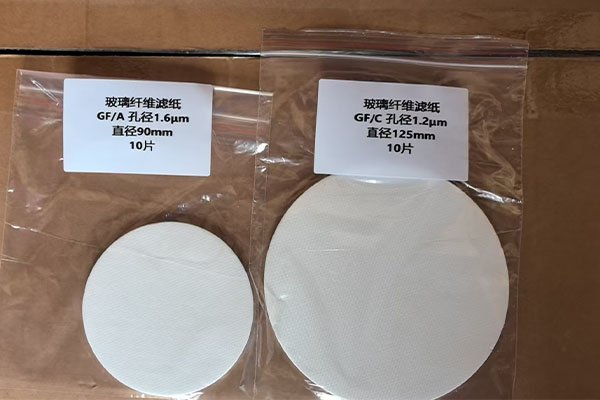
The GF/A filters are popular for their strength and durability. They can withstand high air flow rates without compromising the sample integrity[^6]. This makes them ideal for routine air monitoring.
When using GF/A filters, it's important to ensure that they are properly installed. A poorly fitted filter can lead to leakage and contamination. This will affect the test results. Always check for compatibility with your sampling equipment.
What is the Grade EPM 2000 Air Sampling Filter?
Grade EPM 2000 filters are another excellent choice for air monitoring. They are designed for use in environments where there is a high concentration of particulate matter. These filters are also made from glass fiber but have a different thickness and density compared to GF/A filters.
EPM 2000 filters have a higher capacity for capturing smaller particles. This makes them highly effective for PM2.5 monitoring[^7].
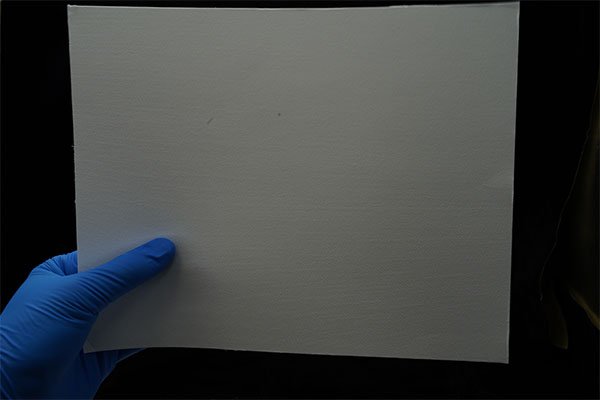
These filters can be used in more specialized applications. They are often employed in studies related to health impacts of air pollution. The higher efficiency of EPM 2000 filters ensures that even the tiniest particles are trapped for analysis.
To achieve optimal results, it's crucial to regularly check the filters. Frequent maintenance helps ensure that the filters are functioning at their best. Understanding the usage guidelines will help achieve accurate monitoring results.
What are PM2.5 Air Monitoring Membrane Filters?
PM2.5 air monitoring membrane filters are specifically designed for capturing fine particulate matter. These filters are made of PTFE, which provides excellent chemical resistance. This is particularly valuable in areas where harsh chemical exposure is common.
The primary function of these filters is to trap particles less than 2.5 micrometers in diameter. This is vital since PM2.5 can penetrate deep into the lungs and pose health risks.
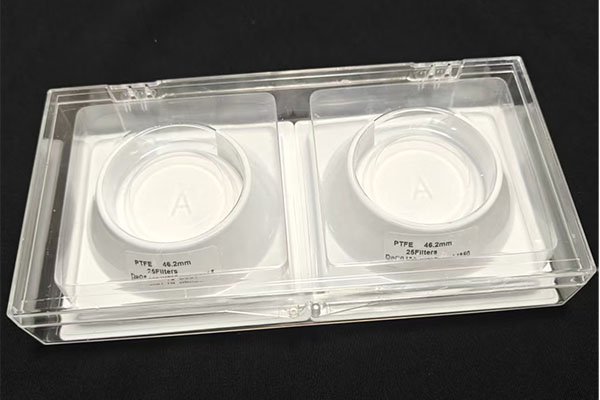
PM2.5 filters are essential for studies focusing on respiratory health and environmental impact. They can be used in various applications, including ambient air quality monitoring and industrial emissions testing.
It is important to use these filters with suitable sampling devices. Compatibility ensures that the filters work effectively and provide accurate results. Regular checks and changes are critical for maintaining filter performance.
What is QM-C quartz filter paper?
QM-C quartz filter paper is a high-purity filter designed for specialized air sampling applications. It has exceptional thermal stability[^8], making it ideal for high-temperature environments. This makes QM-C filters a preferred choice for labs that require precision.
These filters are often used to collect specific types of particulate matter for detailed analysis. They maintain their structure under extreme conditions, ensuring sample integrity.
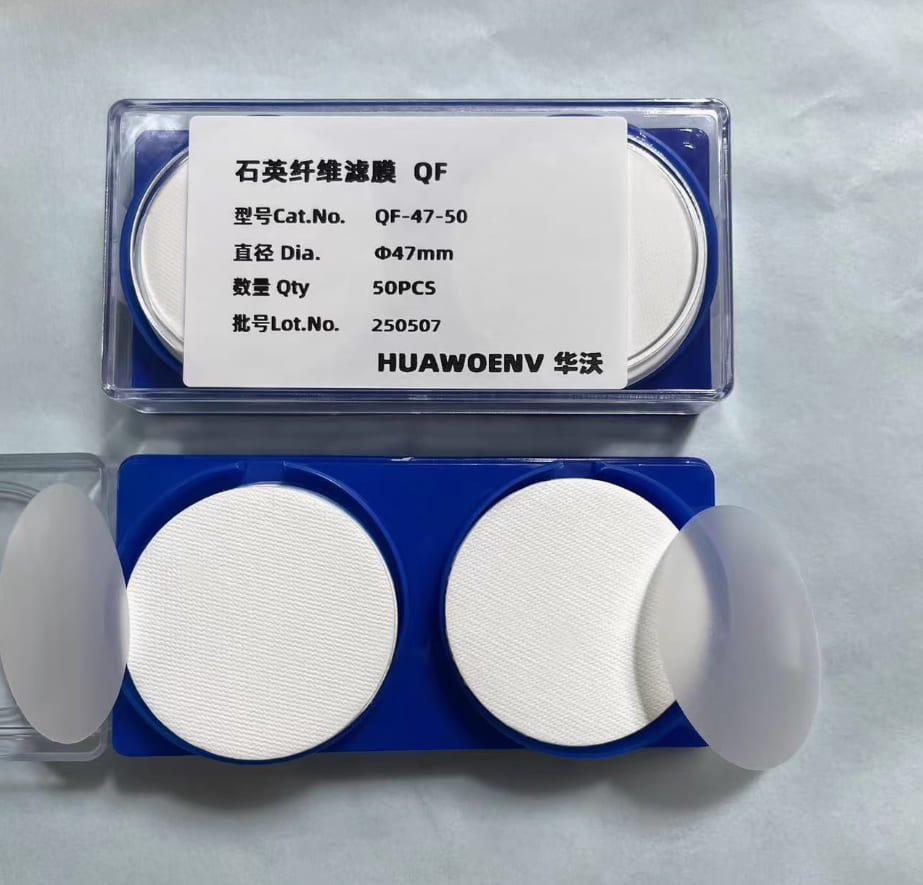
QM-C filters are especially useful in pollutant measurement studies. They provide a reliable way to analyze airborne particles without introducing contamination.
When using quartz filters, make sure to handle them with care. They are sensitive to moisture and handling, which can affect results. Always store them in a controlled environment to maintain their effectiveness.
Conclusion
In conclusion, selecting the right air monitoring filter is crucial for accurate air quality testing. Understanding the differences between filters can help ensure reliable results. Reach out to us for any questions or support in choosing the right filter for your needs.
[^1]: "Quality Assurance Handbook for Air Pollution ...", https://www.epa.gov/sites/default/files/2020-10/documents/final_handbook_document_1_17.pdf. An air-monitoring standard or EPA method supports that filter media, sampler configuration, and handling procedures can materially affect particulate sampling accuracy and comparability. Evidence role: expert_consensus; source type: government. Supports: Choosing the right air sampling filter can affect the quality of air quality test results.. Scope note: This supports the general importance of filter selection rather than validating any specific filter brand or grade.
[^2]: "Comparison of Real-Time Instruments and Gravimetric ... - PMC", https://pmc.ncbi.nlm.nih.gov/articles/PMC5153892/. EPA and other reference methods describe gravimetric particulate-matter measurement as determining collected particle mass on a conditioned filter and dividing by sampled air volume. Evidence role: definition; source type: government. Supports: Gravimetric methods measure particulate matter by weighing collected PM relative to a known volume of sampled air.. Scope note: Such methods commonly report PM as mass concentration, such as µg/m³, so this source would not support the article's later wording that results are expressed in PPM.
[^3]: "Chemical Speciation Network (CSN)", https://www.epa.gov/amtic/chemical-speciation-network-csn. Air-quality chemical speciation methods support that collected particulate matter can be analyzed for constituents such as metals, ions, elemental carbon, and organic carbon to characterize potentially harmful airborne substances. Evidence role: mechanism; source type: government. Supports: Additional tests on collected particulate matter can help identify harmful substances in the air.. Scope note: The source would support the analytical capability, not prove that every additional test identifies health hazards in a given sample.
[^4]: "Review of Filters for Air Sampling and Chemical Analysis in ...", https://pmc.ncbi.nlm.nih.gov/articles/PMC10174218/. Aerosol sampling references describe glass-fiber filter media as suitable for high-volume particulate collection because of their particle-loading capacity and relatively low resistance to airflow. Evidence role: general_support; source type: research. Supports: Glass-fiber GF/A-type filters have high dirt-holding or particle-loading capacity.. Scope note: This provides contextual support for glass-fiber media generally and may not directly verify the rated capacity of every Grade GF/A filter product.
[^5]: "Filtration Mechanism of Fine Particle - PMC - NIH", https://pmc.ncbi.nlm.nih.gov/articles/PMC7498895/. Aerosol filtration literature explains that fibrous filters collect particles across a range of diameters through mechanisms including interception, impaction, diffusion, and electrostatic effects. Evidence role: mechanism; source type: paper. Supports: GF/A-type fibrous filters can capture particles across a range of particulate sizes.. Scope note: This supports the physical plausibility of broad particle-size capture but does not establish the exact efficiency curve of a specific GF/A filter.
[^6]: "SAMPLING OF AMBIENT AIR FOR TOTAL SUSPENDED ...", https://www.epa.gov/sites/default/files/2015-07/documents/epa-io-2.1.pdf. High-volume particulate sampling methods commonly specify glass-fiber or quartz-fiber filters because they can be used at substantial flow rates while retaining collected particulate matter for later weighing or analysis. Evidence role: general_support; source type: government. Supports: Glass-fiber air sampling filters can be used at high air flow rates without inherently invalidating the particulate sample.. Scope note: The source would support the use of such filter media in high-flow methods, not guarantee sample integrity under all flow rates or installations.
[^7]: "Review of Filters for Air Sampling and Chemical Analysis in ...", https://pmc.ncbi.nlm.nih.gov/articles/PMC10174218/. Peer-reviewed ambient-air studies using EPM 2000 glass-fiber filters for fine particulate collection would support that this filter type has been applied in PM2.5 monitoring workflows. Evidence role: case_reference; source type: paper. Supports: EPM 2000 filters are effective or commonly usable for PM2.5 monitoring.. Scope note: Use in studies is contextual evidence and does not by itself prove that EPM 2000 has higher capacity or is superior to other PM2.5 filter media.
[^8]: "NMAM METHOD5040", https://www.cdc.gov/niosh/nmam/pdf/5040.pdf. Air-sampling and thermal-optical carbon analysis methods describe quartz-fiber filters as heat-tolerant media that can be pre-fired and used in high-temperature analytical procedures. Evidence role: mechanism; source type: government. Supports: QM-C quartz filter paper has high thermal stability suitable for specialized air sampling or high-temperature analysis.. Scope note: This supports the thermal stability of quartz-fiber filter media generally, not every specification of QM-C quartz filter paper.


