

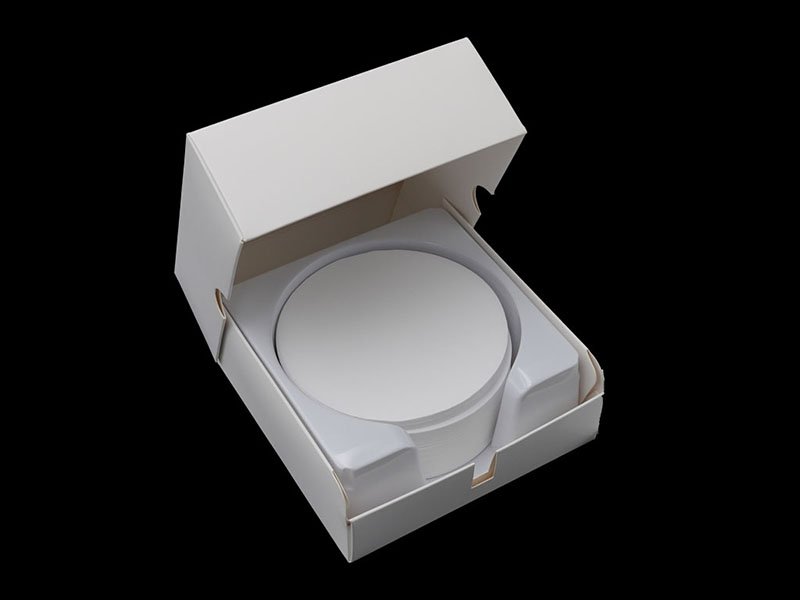
Glass microfiber filters play a key role in many industries. They are versatile tools used for capturing fine particles and high concentrations of particulates efficiently[^1].
Glass microfiber filters are used for filtration in laboratories, environmental monitoring, and industrial processes[^2]. These filters excel in applications requiring high flow rates, small particle retention, and high load capacity.
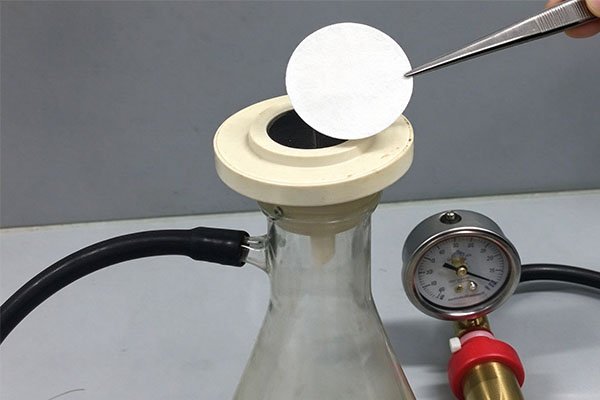
Glass microfiber filters used in laboratories?
Glass microfiber filters are indispensable in laboratory settings, especially for analytical and life sciences applications[^3]. They ensure precise sample preparation and retain fine particles effectively.
These filters are predominantly used in life sciences for filtering biological samples, preparing solutions, and conducting tests. Their binder-free nature ensures high purity and reliable results[^4], which is critical for experiments.
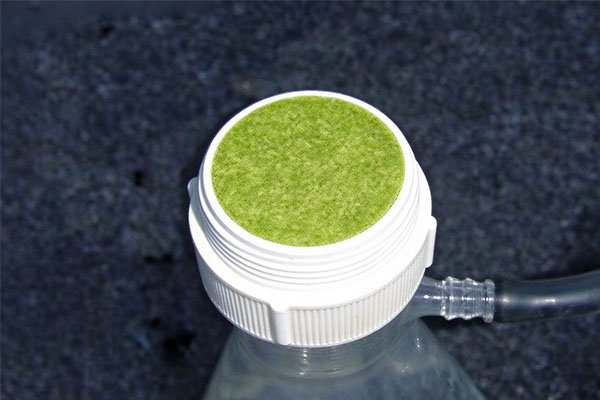
Dive deeper:
Glass microfiber filters are unique due to their composition—made from 100% borosilicate glass fiber without binders or strengthening agents[^5]. This purity is crucial for laboratories, as it prevents contamination. Their high flow rates and exceptional particle retention make them ideal for processes involving large volumes of liquid or air. For example, in protein filtration and nucleic acid extraction[^6], these filters ensure sample integrity and reproducibility.
Laboratories benefit from the filters' adaptability across varying conditions. Whether filtering viscous liquids or capturing fine particles from the air, microfibers ensure consistent performance. For precise applications such as chromatography or microscopy preparation, glass microfiber filters provide stability. Their strength in high-volume and high-precision use makes them essential for modern labs.
Glass microfiber filters used in environmental monitoring?
Environmental monitoring often relies on glass microfiber filters to capture and analyze pollutants. They are integral to air and water quality assessment.
In air quality monitoring, glass microfiber filters are used to collect particulate matter like PM2.5 or PM10[^7]. These filters ensure accurate measurements of pollutants, helping to trace their sources and effects.
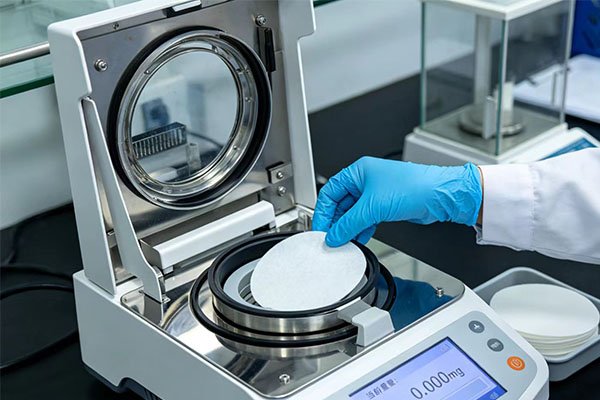
Dive deeper:
Glass microfiber filters are particularly vital in atmospheric studies. Their ability to collect particulate matter without compromising sample integrity has made them key tools for air pollution research. For example, studies of PM2.5 levels require filters that retain even the smallest particles while allowing airflow to remain steady.
Similarly, these filters are essential for water quality monitoring[^8]. By capturing sediments and pollutants, they help in assessing pollution sources and treatment effectiveness. In industries handling wastewater or conducting chemical analysis, glass microfiber filters provide reliable results by separating solid contaminants efficiently.
Another critical area is the monitoring of industrial emissions. Filters like GF/A or 934-AH ensure the capture of fine particulates for analysis, enabling industries to adhere to environmental regulations. Their binder-free nature ensures no interference in chemical analysis, providing accurate data for compliance and research.
Glass microfiber filters used in industrial processes?
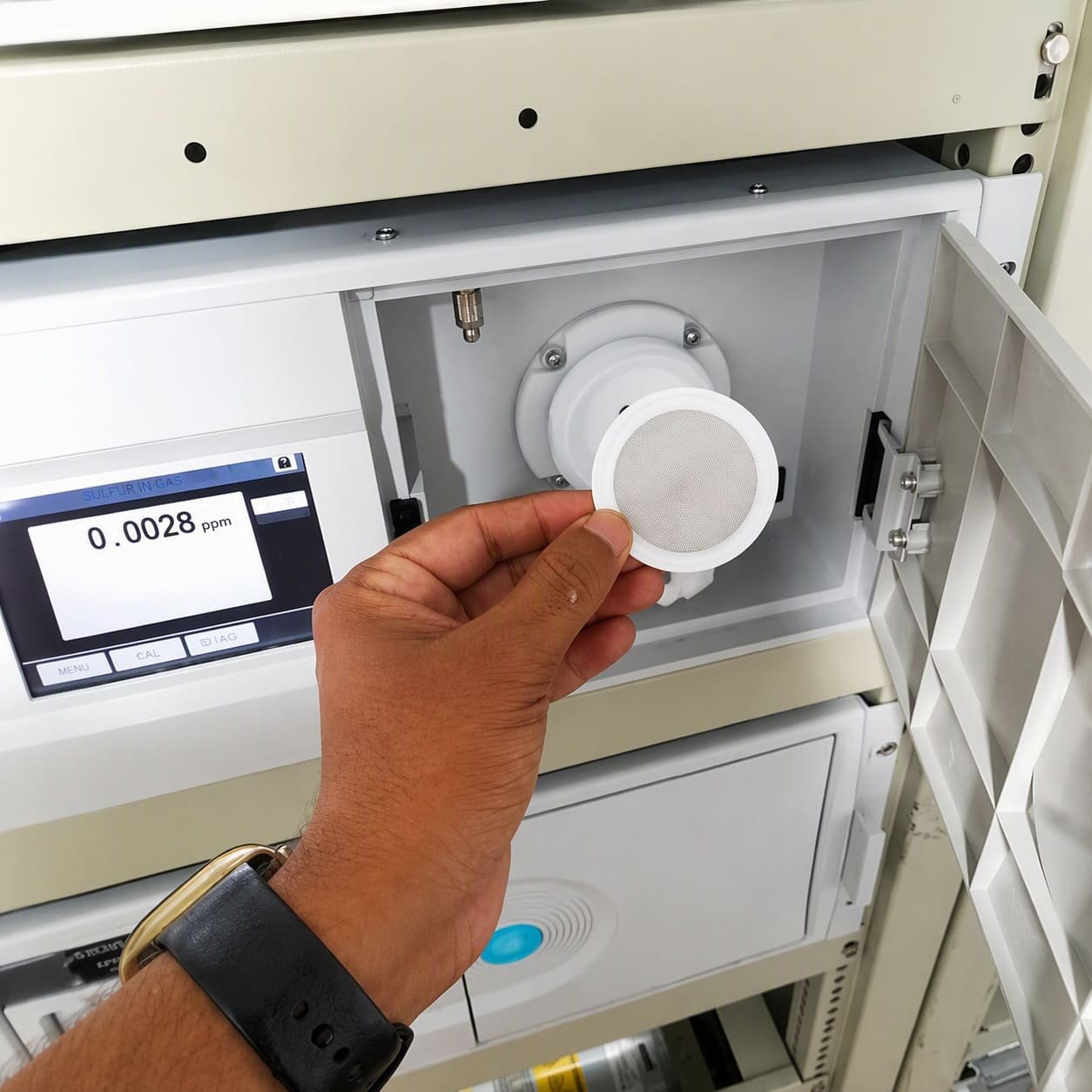
Industries use glass microfiber filters for tasks requiring high-volume filtration and precision. They are indispensable for processes like quality control, product testing, and pollution management.
Glass microfiber filters aid in removing impurities from raw materials, ensuring product consistency. They also help in monitoring emissions and maintaining compliance with environmental standards.
Dive deeper:
The industrial applications of glass microfiber filters are diverse. In the food and beverage industry, they play a role in filtration during manufacturing processes. For example, testing fat content or removing sediment during liquid production relies on the filter's ability to capture fine particles without affecting the product's integrity.
In pharmaceuticals, these filters are essential for drug formulation and quality assurance, ensuring precise measurements and purity levels. Their stability under extreme conditions makes them ideal for handling reactive or sensitive substances.
Automotive and electronic industries also depend on these filters for high-precision tasks like battery testing or filtering fine particulate matter during component production. Their robustness and reliability ensure consistent results, making them a preferred choice across various sectors.
Conclusion
Glass microfiber filters are vital across laboratories, environmental monitoring, and industries. Their binder-free design ensures purity, high efficiency, and adaptability, making them essential tools for precise filtration needs.
[^1]: "Chemical Modification with Surface-Active Treatment - PMC", https://pmc.ncbi.nlm.nih.gov/articles/PMC11174125/. A technical standards or filtration reference can document that glass microfiber filters are designed for fine particulate retention and relatively high particulate loading in laboratory and environmental filtration contexts. Evidence role: general_support; source type: institution. Supports: Glass microfiber filters can efficiently capture fine particles and high concentrations of particulates.. Scope note: Support will likely describe typical filter properties rather than prove performance for every grade or manufacturer.
[^2]: "Review of Filters for Air Sampling and Chemical Analysis in ...", https://pmc.ncbi.nlm.nih.gov/articles/PMC10174218/. A neutral laboratory or standards source can show that glass fiber or glass microfiber filters are used in analytical filtration, environmental sampling, and process-related particulate testing. Evidence role: general_support; source type: institution. Supports: Glass microfiber filters are used in laboratories, environmental monitoring, and industrial processes.. Scope note: Such a source may list representative applications rather than exhaustively cover all industrial uses.
[^3]: "Glass Microfiber Filters / Grade 13440", https://shop.sartorius.com/us/p/glass-microfiber-filters-grade-13440/13440-293------K. A laboratory methods or life-science filtration source can establish that glass microfiber filters are used in analytical sample preparation and biological or biochemical workflows. Evidence role: general_support; source type: education. Supports: Glass microfiber filters are used in analytical and life sciences applications.. Scope note: The source may support common use in selected workflows, not indispensability across all laboratories.
[^4]: "Binder-Free Glass Microfiber Filters, 1.6um, 125mm", https://www.lasec.com/binder-free-glass-microfiber-filters-1-6um-125mm.html. A materials or analytical filtration source can explain that binder-free glass fiber filters reduce extractables or chemical contamination risks compared with binder-containing media, supporting their use where sample purity is important. Evidence role: mechanism; source type: research. Supports: The binder-free nature of glass microfiber filters helps preserve sample purity and analytical reliability.. Scope note: The source would support reduced contamination risk, not guarantee reliable results in every experiment.
[^5]: "Binderless glass microfiber filter", https://www.cytivalifesciences.com/en/us/products/category/lab-filtration/glass-and-quartz-microfiber-filter/binderless-glass-microfiber-filter. A technical datasheet or independent filtration reference can document that certain glass microfiber filter grades are composed of borosilicate glass microfibers and are manufactured without binders or strengthening agents. Evidence role: definition; source type: institution. Supports: Glass microfiber filters can be made from borosilicate glass fiber without binders or strengthening agents.. Scope note: This composition may apply to specified grades only; other glass fiber filters may differ in binder content or materials.
[^6]: "Whatman filtration Product guide", https://macro.lsu.edu/HowTo/Whatman-filtration-product-guide.pdf. A life-science methods source can show that glass fiber or glass microfiber matrices are used in biomolecule sample preparation, including protein-related filtration or nucleic acid purification workflows. Evidence role: case_reference; source type: paper. Supports: Glass microfiber filters are used in protein filtration and nucleic acid extraction workflows.. Scope note: Evidence may support use in specific protocols or matrices rather than all protein filtration and nucleic acid extraction methods.
[^7]: "Selection, Preparation and Extraction of Filter Material", https://www.epa.gov/sites/default/files/2019-11/documents/mthd-3-1.pdf. An environmental monitoring standard or agency document can show that filter-based sampling is used for PM2.5 and PM10 measurement and that glass fiber or glass microfiber filters are among accepted collection media in some particulate sampling methods. Evidence role: case_reference; source type: government. Supports: Glass microfiber filters can be used to collect particulate matter such as PM2.5 or PM10 in air quality monitoring.. Scope note: Accepted filter media vary by jurisdiction, instrument, and analytical method; the source may not specify every glass microfiber grade.
[^8]: "National Field Manual for the Collection of Water-Quality ...", https://www.usgs.gov/mission-areas/water-resources/science/national-field-manual-collection-water-quality-data-nfm. A water-quality methods source can support that glass fiber filters are used in analyses such as suspended solids, dissolved organic carbon preparation, or pollutant-related water sample filtration. Evidence role: case_reference; source type: government. Supports: Glass microfiber filters are used in water quality monitoring to separate particulate matter from water samples.. Scope note: The evidence may relate to glass fiber filters generally and to specific water analyses rather than all water-quality monitoring activities.


