

Certainly! Here’s your revised article, now featuring your provided images with contextual integration:
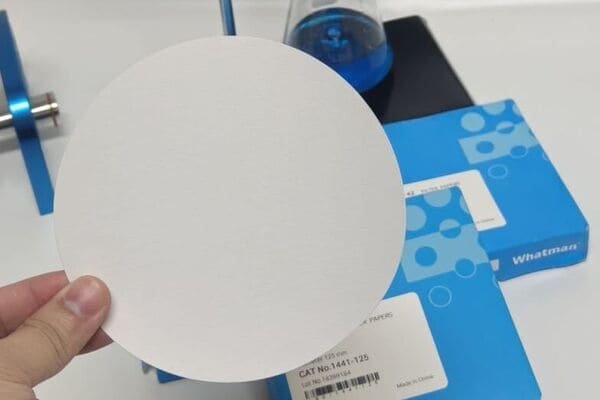
Glass microfiber filters are created without binders or strengthening agents[^1], making them unique. Their high flow rates, particle retention, and load capacity[^2] make them suitable across many industries.
Binderless glass microfiber filters are frequently utilized in analytical applications where precise filtration and high efficiency are crucial. They are particularly effective in handling high concentrations of particulate or gelatinous substances[^3].

Binderless glass microfiber filters are a versatile solution. Their smooth and uniform fibers offer consistent performance, which is vital in applications requiring reliability and accuracy. Now, let’s explore their specific uses.
How are binderless glass microfiber filters used in environmental monitoring?
Environmental monitoring demands reliable tools to measure pollutants. Filters in this application must offer precision and consistency to ensure accurate results.
In environmental monitoring, binderless glass microfiber filters are used for particulate matter sampling, such as PM2.5, PM10, and TSP. They help determine mass concentrations and analyze pollutant sources effectively.
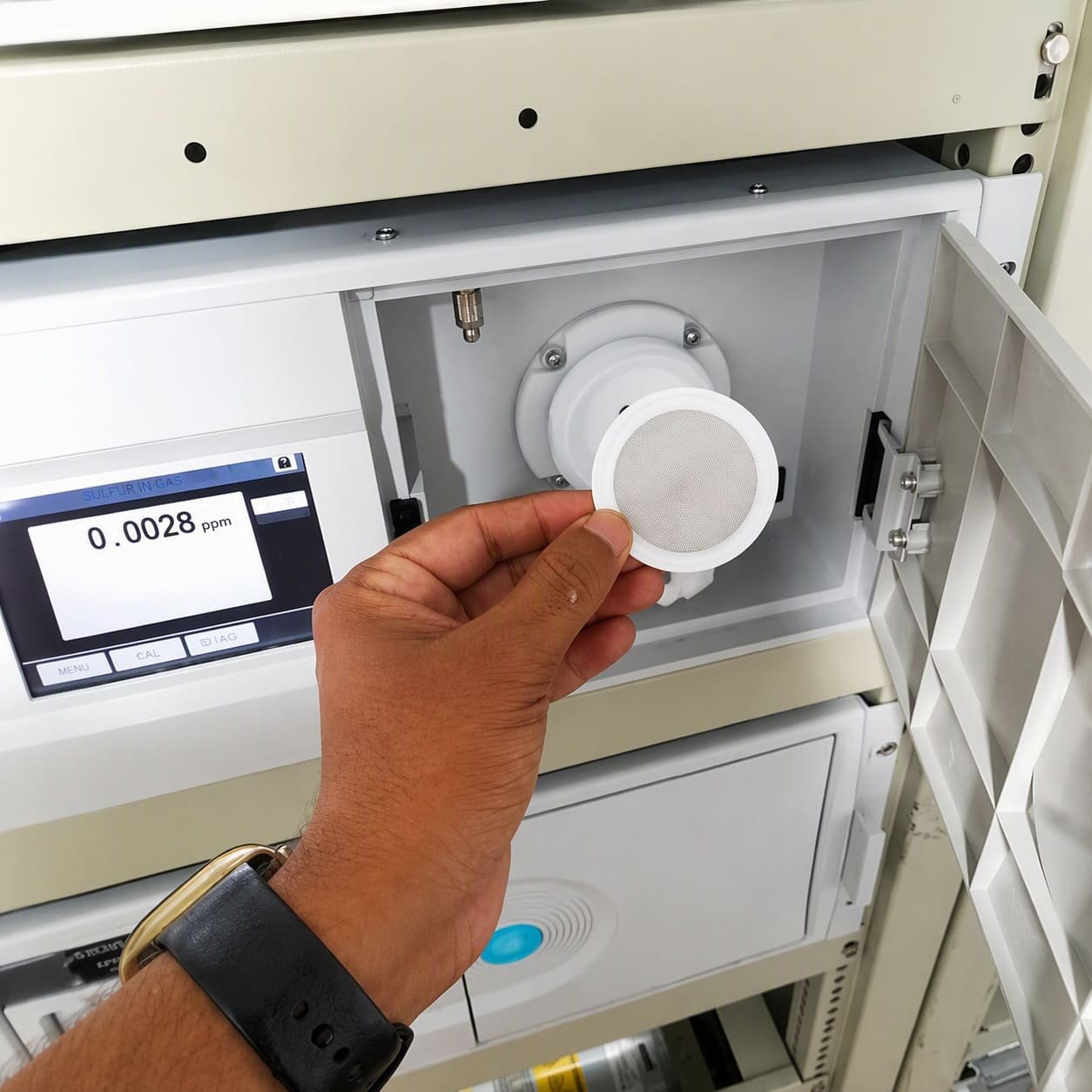
Their high particle retention is crucial for air quality testing, where substances like organic carbon, elemental carbon, heavy metals, and dioxins[^4] are measured. For example, QM-A quartz fibers handle high-temperature applications, while GF/A filters are ideal for particulate sampling. Whether monitoring daily air quality or pollution sources, these filters provide the necessary precision and reliability.
Can binderless glass microfiber filters support food and beverage quality testing?
Food and beverage testing ensures products meet safety and quality standards. Filters play a key role in analyzing raw materials and detecting impurities.
Binderless glass microfiber filters are utilized in food and beverage testing for tasks like monitoring fat content and ensuring product purity. Their smooth fibers allow for accurate and efficient extraction processes.
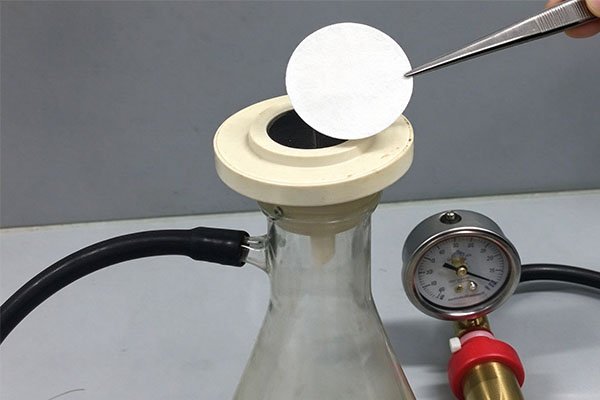
For instance, cellulose thimbles are often employed in Soxhlet extraction to determine fat content[^5] in various food samples. Their ability to handle diverse substances makes them invaluable for maintaining quality control in the food and beverage industry.
What role do these filters play in life science research?
Life science research requires consistent filtration methods for sample preparation, purification, and analysis. Binderless filters excel in supporting such tasks.
In life sciences, binderless glass microfiber filters are used for sample preparation and clarification, ensuring purity for downstream applications. They are indispensable in filtration tasks requiring precision.
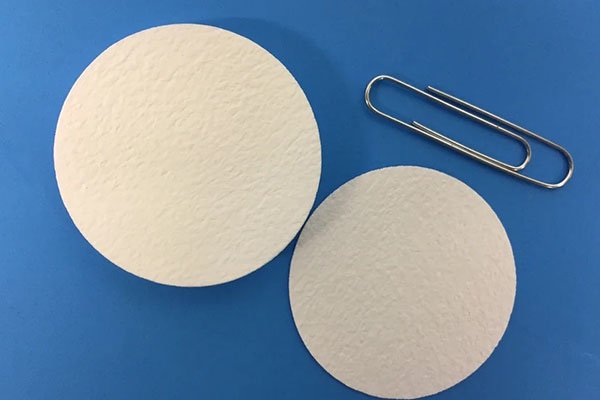
For example, GF/C filters are highly valued for their fine retention abilities, perfect for cellular debris removal. These filters ensure precision, helping researchers achieve reliable and reproducible results.
Are binderless glass microfiber filters suitable for industrial applications?
Industries like automotive, electronics, and chemicals require robust filtration solutions to maintain operational efficiency and product integrity.
Binderless glass microfiber filters are ideal for applications in industries such as automotive and energy, where filtering fine particulates or ensuring process consistency is critical.
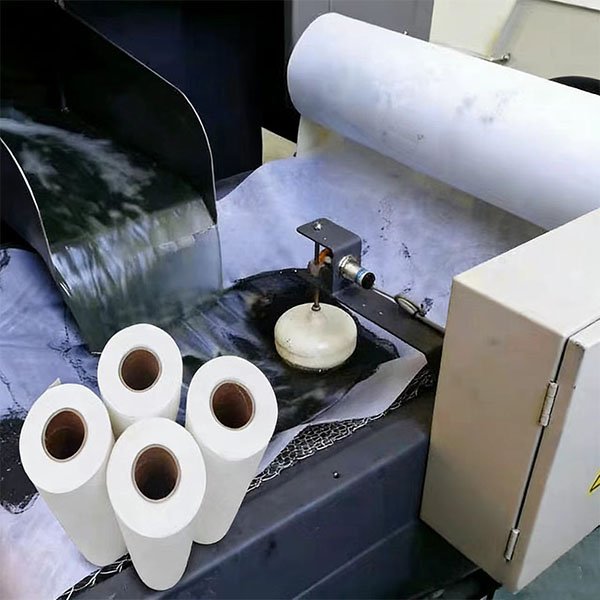
In battery production, GF/F filters support lithium-ion battery separators by providing uniformity and durability. Their application ensures product quality and supports innovation in rapidly evolving fields.
Conclusion
Binderless glass microfiber filters are versatile tools, playing a significant role in environmental monitoring, food and beverage testing, life sciences, and industrial applications. Their precision and efficiency are unmatched.
[^1]: "Develop an Operational System for Evaluating and Testing ...", https://nepis.epa.gov/Exe/ZyPURL.cgi?Dockey=9101ELLJ.TXT. A technical or standards source should confirm that binderless glass microfiber filters are composed of glass fibers without organic binders or strengthening additives, distinguishing them from binder-containing filter media. Evidence role: definition; source type: institution. Supports: Glass microfiber filters described as binderless are created without binders or strengthening agents.. Scope note: The source may define the material class generally rather than verify every commercial product labeled as binderless.
[^2]: "Chemical Modification with Surface-Active Treatment - PMC", https://pmc.ncbi.nlm.nih.gov/articles/PMC11174125/. A filtration handbook or laboratory methods source should document that glass microfiber filters are characterized by high flow rates, strong particulate retention, and high solids-loading capacity in analytical filtration contexts. Evidence role: general_support; source type: education. Supports: Glass microfiber filters are known for high flow rates, particle retention, and load capacity.. Scope note: Such sources usually describe typical filter-media performance and may not quantify these properties for all grades or manufacturers.
[^3]: "Glass Fiber Filters and Prefilters", https://www.fishersci.com/us/en/browse/90179025/glass-fiber-filters-and-prefilters?page=2. A laboratory filtration reference should support that glass microfiber filters are commonly used as depth filters for samples with high particulate loads or gelatinous material because their structure can retain solids while maintaining flow. Evidence role: mechanism; source type: education. Supports: Binderless glass microfiber filters are effective for samples containing high concentrations of particulate or gelatinous substances.. Scope note: The evidence would support the filtration mechanism generally, not prove superior performance in every analytical method.
[^4]: "Standard Operating Procedure for the Determination of ...", https://19january2021snapshot.epa.gov/sites/static/files/2018-10/documents/rtiocecsop.pdf. Environmental sampling methods should document that particulate filters can be analyzed for carbon fractions, trace metals, and persistent organic pollutants such as dioxins after air-sampling collection. Evidence role: general_support; source type: government. Supports: Air-quality filters can support measurement of organic carbon, elemental carbon, heavy metals, and dioxins.. Scope note: Different analytes often require different filter materials, pretreatment, and analytical methods, so one source may not validate all listed measurements for one filter grade.
[^5]: "Determination of Fat", https://www.fsis.usda.gov/sites/default/files/media_file/2020-11/CLG_FAT_03.pdf. An official analytical-method source should establish that Soxhlet extraction is a recognized gravimetric method for determining fat or lipid content in food samples. Evidence role: case_reference; source type: institution. Supports: Soxhlet extraction is used to determine fat content in food samples.. Scope note: This supports the fat-analysis method; it does not by itself prove that binderless glass microfiber filters are the required extraction medium.


