

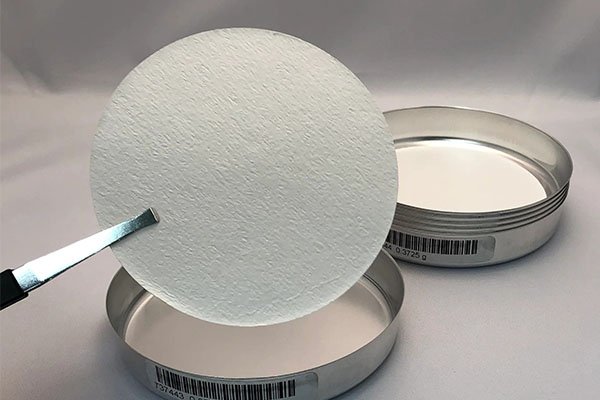
Glass microfiber filters are not just another type of filter; they are essential tools for various demanding filtration tasks. Made of 100% borosilicate glass fibers without added binders or strengthening agents[^1], they offer unique advantages in performance, reliability, and versatility.
Binderless glass microfiber filters are used for applications requiring high flow rates, retention of fine particles, and filtration of high concentrations of particulate or gelatinous substances[^2].
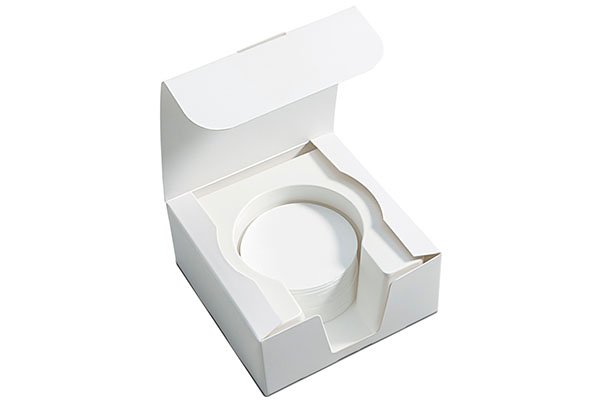
When selecting a binderless glass microfiber filter for your specific application, the physical properties of the filter and the concentration of the material to be captured play a key role. Let’s dive deeper into its specific uses and advantages.
Why is binderless glass microfiber ideal for filtration tasks?
The absence of binders sets binderless glass microfiber filters apart from other filtration materials. Binders can interfere with certain analytical procedures or react with the substances being filtered[^3]. This makes binderless filters the preferred choice for applications that demand high purity and chemical inertness[^4].
Binderless glass microfiber filters provide a cleaner and more reliable filtration process, free of potential interference from binders or adhesives.

The smooth and uniform surface of glass fibers ensures exceptional filtration performance. These filters can capture extremely small particles while maintaining high flow rates[^5]. The high load capacity of the fibers also makes them ideal for applications with heavily contaminated samples[^6]. For instance:
| Application | Filter Use |
|---|---|
| Air pollution monitoring | Collecting particulate matter (PM2.5, PM10, TSP) for gravimetric and chemical analysis[^7]. |
| Water quality testing | Retaining suspended solids and microorganisms for analysis[^8]. |
| Environmental analysis | Filtering high concentrations of particulate matter in effluent streams. |
| Gelatinous substances | Effective separation of viscous or gel-like substances in laboratory tests. |
| Clinical diagnostics | Filtration of biological fluids for disease detection and research purposes. |
What makes binderless filters suitable for environmental monitoring?
Environmental monitoring requires filters that can withstand extreme conditions and offer high reliability. Binderless glass microfiber filters excel in these areas due to their robust design and high particle retention capabilities.
Binderless glass microfiber filters are used in air sampling, water monitoring, and soil analysis for their ability to capture fine particles while resisting environmental stress[^9].
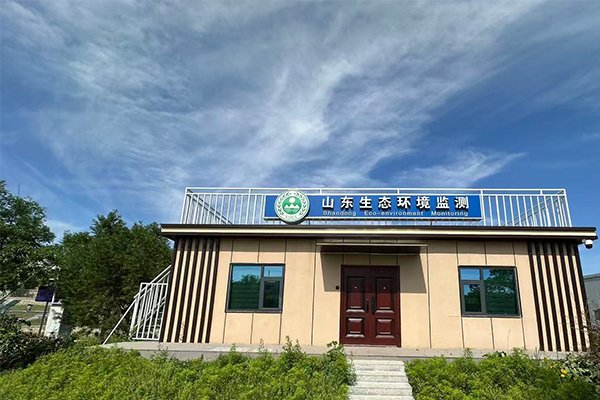
In air monitoring, these filters are particularly effective for PM2.5 and PM10 sampling. The high efficiency ensures precise measurements of particulate matter, including organic carbon, elemental carbon, heavy metals, and polycyclic aromatic hydrocarbons[^10]. For water quality monitoring, these filters are used to analyze suspended solids and microbial contaminants. They can also handle high-temperature exhaust gases[^11], making them ideal for fixed-source pollution monitoring.
How do binderless glass microfiber filters benefit life sciences?
The life sciences industry frequently employs binderless glass microfiber filters in delicate processes such as protein filtration and sample preparation. Accuracy and purity are paramount, and these filters deliver both.
Binderless glass microfiber filters are perfect for life science applications requiring high purity and efficient separation of biological or chemical substances.

These filters play a crucial role in labs where researchers analyze cellular components, separate biomolecules, or perform DNA extraction[^12]. Their ability to retain fine particles while maintaining high flow rates ensures that research results are consistent and reliable. Additionally, their chemical inertness ensures no unwanted reactions occur during experimentation, safeguarding the integrity of results.
Are binderless glass microfiber filters suitable for industrial applications?
Industrial processes often demand materials that are both durable and effective under challenging conditions. Binderless glass microfiber filters meet these needs, offering a perfect balance between high load capacity and chemical resistance.
Binderless glass microfiber filters are widely used for industrial filtration tasks, from energy production to food and beverage quality assurance processes.
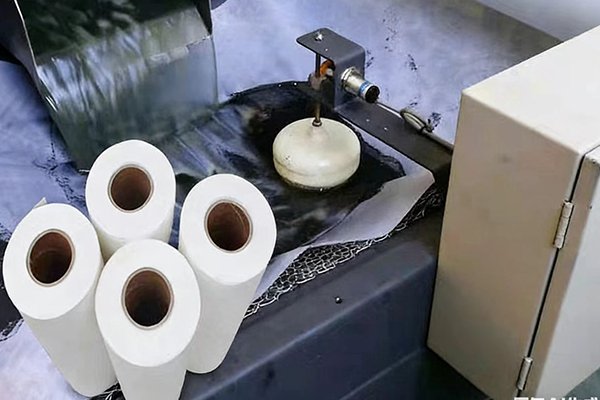
In energy production, these filters are utilized for cleaning emissions and ensuring compliance with environmental standards. In the food and beverage industry, they aid in quality control by filtering ingredients and products for purity and consistency. Their high-temperature resistance also makes them a reliable choice in industries like chemicals and automotive manufacturing.
How to choose the right binderless glass microfiber filter?
Selecting the right filter depends on understanding your application’s specific needs. Factors like the size of particles to be captured, flow rate requirements, and the chemical properties of the substances being filtered should be considered.
Determine the physical form, particle size, and concentration of the material to be filtered to choose an appropriate binderless glass microfiber filter.
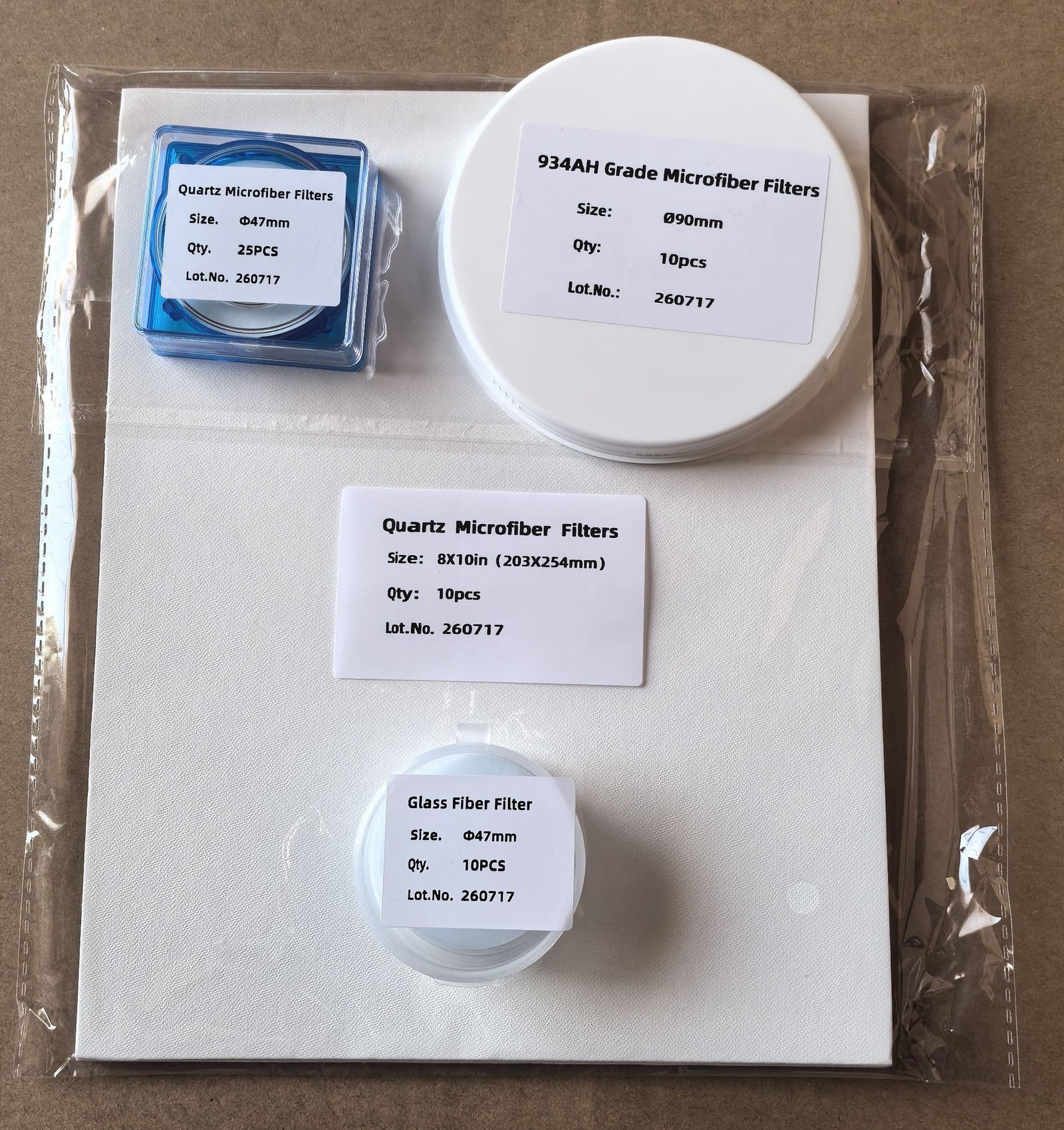
When choosing a filter, consider the retention efficiency that matches your needs. For example, finer particles require filters with smaller nominal pore sizes. If the material to be filtered is gelatinous or particulate-rich, prioritize filters with high loading capacity. Collaboration with experts or suppliers can also help identify the ideal solution for your specific filtration requirements.
Conclusion
Binderless glass microfiber filters are versatile tools for a wide range of applications, offering unparalleled purity, high efficiency, and reliability in demanding environments. Their unique properties make them indispensable in environmental monitoring, life sciences, and industrial processes.
[^1]: "Whatman 1827-021-DS Glass Microfiber Binder Free Filter, 1.5 ...", https://reframedarchives.sandbox.library.columbia.edu/listing/whatman-1827-021-ds-glass-microfiber-binder-free-filter-15-m?srsltid=219304406. A technical reference or encyclopedia entry on glass microfiber filters can verify that binderless grades are composed of borosilicate glass fibers and manufactured without organic binders or strengthening agents. Evidence role: definition; source type: encyclopedia. Supports: Binderless glass microfiber filters are made of borosilicate glass fibers without added binders or strengthening agents.. Scope note: This supports the material definition of binderless glass microfiber filters generally, not the composition of every commercial product.
[^2]: "Whatman-filtration-product-guide.pdf", https://macro.lsu.edu/HowTo/Whatman-filtration-product-guide.pdf. Laboratory filtration references describe glass microfiber filters as having high flow rates, fine-particle retention, and high loading capacity, supporting their general suitability for particulate-rich or gelatinous samples. Evidence role: general_support; source type: education. Supports: Binderless glass microfiber filters are used where high flow rate, fine-particle retention, and high particulate loading are required.. Scope note: Such sources usually characterize filter media performance broadly and may not directly test every listed application or sample matrix.
[^3]: "Analysis and evaluation of filter cartridge extractables for ...", https://pubmed.ncbi.nlm.nih.gov/9038087/. Analytical filtration guidance notes that filter binders or extractable additives may contribute contaminants or interfere with chemical analysis, supporting the rationale for binderless media in sensitive procedures. Evidence role: mechanism; source type: institution. Supports: Binders in filter media can introduce interference or reactions in some analytical procedures.. Scope note: The degree of interference depends on the analyte, solvent, and analytical method; the source would support the mechanism rather than prove interference in all cases.
[^4]: "Care and Safe Handling of Laboratory Glassware", https://ehs.ku.edu/sites/ehs/files/files/Lab%20Safety/Corning%20PYREX%20Care%20and%20Safe%20Handling_accessible.pdf. Materials references describe borosilicate glass as chemically resistant and commonly used in laboratory contexts requiring low reactivity, supporting the claim that glass-fiber media are appropriate where chemical inertness is important. Evidence role: mechanism; source type: encyclopedia. Supports: Binderless borosilicate glass microfiber filters are suitable for applications where high purity and chemical inertness are important.. Scope note: Chemical inertness is relative and depends on pH, temperature, and exposure conditions; the source would not establish universal compatibility with all chemicals.
[^5]: "Whatman-filtration-product-guide.pdf", https://macro.lsu.edu/HowTo/Whatman-filtration-product-guide.pdf. Filtration handbooks and laboratory methods describe glass-fiber depth filters as retaining fine particles while allowing comparatively high flow because particles are captured throughout the fiber matrix rather than only at a surface pore layer. Evidence role: mechanism; source type: education. Supports: Glass microfiber filters can retain fine particles while maintaining relatively high flow rates.. Scope note: Actual retention and flow rate vary with filter grade, particle size distribution, pressure differential, and sample properties.
[^6]: "Filtration Characteristics of Glass Fiber Filter at Elevated ...", https://nepis.epa.gov/Exe/ZyPURL.cgi?Dockey=91015XO6.TXT. Depth-filtration references explain that fibrous depth filters can hold particles within the thickness of the medium, giving them higher dirt-holding capacity than purely surface-retentive filters. Evidence role: mechanism; source type: education. Supports: Glass microfiber filters have high loading capacity that can be useful for heavily contaminated samples.. Scope note: The source would support the general depth-filter mechanism; suitability for a specific contaminated sample still requires grade-specific testing.
[^7]: "Selection, Preparation and Extraction of Filter Material", https://www.epa.gov/sites/default/files/2019-11/documents/mthd-3-1.pdf. EPA ambient particulate matter methods describe collecting PM2.5, PM10, or total suspended particulates on filter media for gravimetric mass determination and subsequent chemical analysis. Evidence role: case_reference; source type: government. Supports: Filter media are used to collect PM2.5, PM10, and TSP for gravimetric and chemical analysis in air monitoring.. Scope note: EPA methods specify performance requirements and approved media for particular samplers; they do not imply that every binderless glass microfiber filter is suitable for regulatory monitoring.
[^8]: "5.8 Total Solids | Monitoring & Assessment | US EPA", https://archive.epa.gov/water/archive/web/html/vms58.html. Standard water-analysis methods use filtration to retain suspended solids and, in membrane-filtration microbiology, to concentrate microorganisms for subsequent measurement or culture. Evidence role: case_reference; source type: government. Supports: Filtration is used in water-quality testing to retain suspended solids and microorganisms for analysis.. Scope note: Many microbiological methods use membrane filters rather than glass microfiber filters specifically, so the evidence may support the analytical principle more directly than the exact filter type.
[^9]: "Review of Filters for Air Sampling and Chemical Analysis in ...", https://pmc.ncbi.nlm.nih.gov/articles/PMC10174218/. Air- and water-monitoring protocols require filter media that efficiently collect target particles and tolerate sampling, drying, weighing, and chemical handling conditions, contextualizing the need for particle capture and material robustness in environmental monitoring. Evidence role: general_support; source type: government. Supports: Environmental monitoring benefits from filters that capture fine particles and tolerate demanding sampling conditions.. Scope note: This supports the performance requirements for environmental monitoring but may not directly compare binderless glass microfiber filters against other media.
[^10]: "Emissions Inventory of PM2.5 Trace Elements across the ...", https://gaftp.epa.gov/Air/aqmg/hsimon/publication%20pdfs/reff-et-al-2009-emissions-inventory-of-pm2-5-trace-elements-across-the-united-states.pdf. Ambient particulate matter studies and monitoring protocols commonly analyze collected PM samples for carbon fractions, trace metals, and polycyclic aromatic hydrocarbons, supporting these as established analyte classes in PM2.5 and PM10 research. Evidence role: case_reference; source type: paper. Supports: Particulate matter samples are analyzed for organic carbon, elemental carbon, heavy metals, and polycyclic aromatic hydrocarbons.. Scope note: The citation would support the analytes measured on particulate filters, not necessarily that glass microfiber filters are optimal for each analyte class.
[^11]: "Method 5 - Determination of Particulate Matter Emissions ...", https://www.epa.gov/sites/default/files/2021-05/documents/method_5_-_2020_12_07_0.pdf. Stationary-source sampling methods use heat-resistant filter media, including glass-fiber or quartz-fiber filters in sampling trains, to collect particulate matter from hot exhaust streams. Evidence role: case_reference; source type: government. Supports: Heat-resistant fiber filters can be used to sample particulate matter in high-temperature exhaust-gas streams.. Scope note: Regulatory methods specify particular materials and temperature limits; the evidence should not be read as approval of all binderless glass microfiber filters for all exhaust-gas temperatures.
[^12]: "DNA, RNA, and Protein Extraction: The Past and The Present", https://pmc.ncbi.nlm.nih.gov/articles/PMC2789530/. Molecular biology literature shows that nucleic acids can bind to silica or glass-fiber matrices under chaotropic salt conditions and be eluted for purification, supporting the use of glass-fiber materials in DNA extraction workflows. Evidence role: mechanism; source type: paper. Supports: Glass-fiber materials can be used in DNA extraction or purification workflows.. Scope note: This supports the biochemical principle behind glass-fiber-based DNA purification, not the suitability of every binderless glass microfiber filter for validated diagnostic extraction protocols.


