

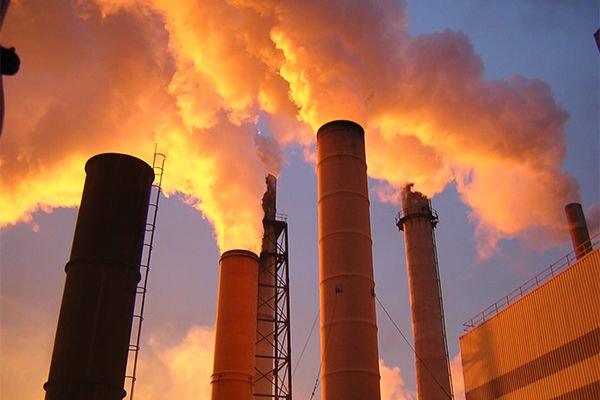
Air sampling and testing filters are crucial in monitoring air quality. They help identify pollutants and assess environmental health. Understanding the different filters can be confusing. Let's break it down.
Air sampling and testing filters serve various applications, including PM2.5, PM10, and TSP monitoring, as well as assessments of organic and inorganic compounds.[^1] Knowing the right filter for the task is essential for accurate results.[^2]
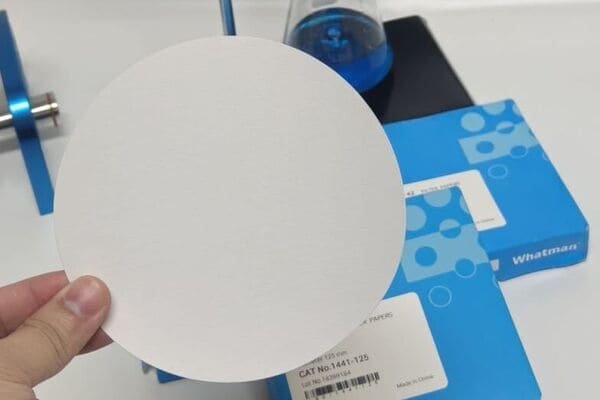
Many people do not understand the differences between these filters. It is important to use the appropriate filter for your specific needs. If you have questions, you can contact Huaenv. We specialize in manufacturing glass microfiber filters and can help you choose the right one for your application. You can reach us via WhatsApp/Phone: +86 133 5442 6906 or Email: vic@huaenv.com. We are also looking for global distribution partners!
What are PM2.5, PM10, and TSP Filters?
Air quality monitoring often focuses on particulate matter, specifically PM2.5, PM10, and TSP. These filters are essential for capturing different sizes of airborne particles.
PM2.5 filters capture particles smaller than 2.5 micrometers.[^3] PM10 filters are for particles less than 10 micrometers, while Total Suspended Particles (TSP) filters collect all particulate matter, regardless of size. Each filter plays a unique role in ensuring accurate air quality assessments.
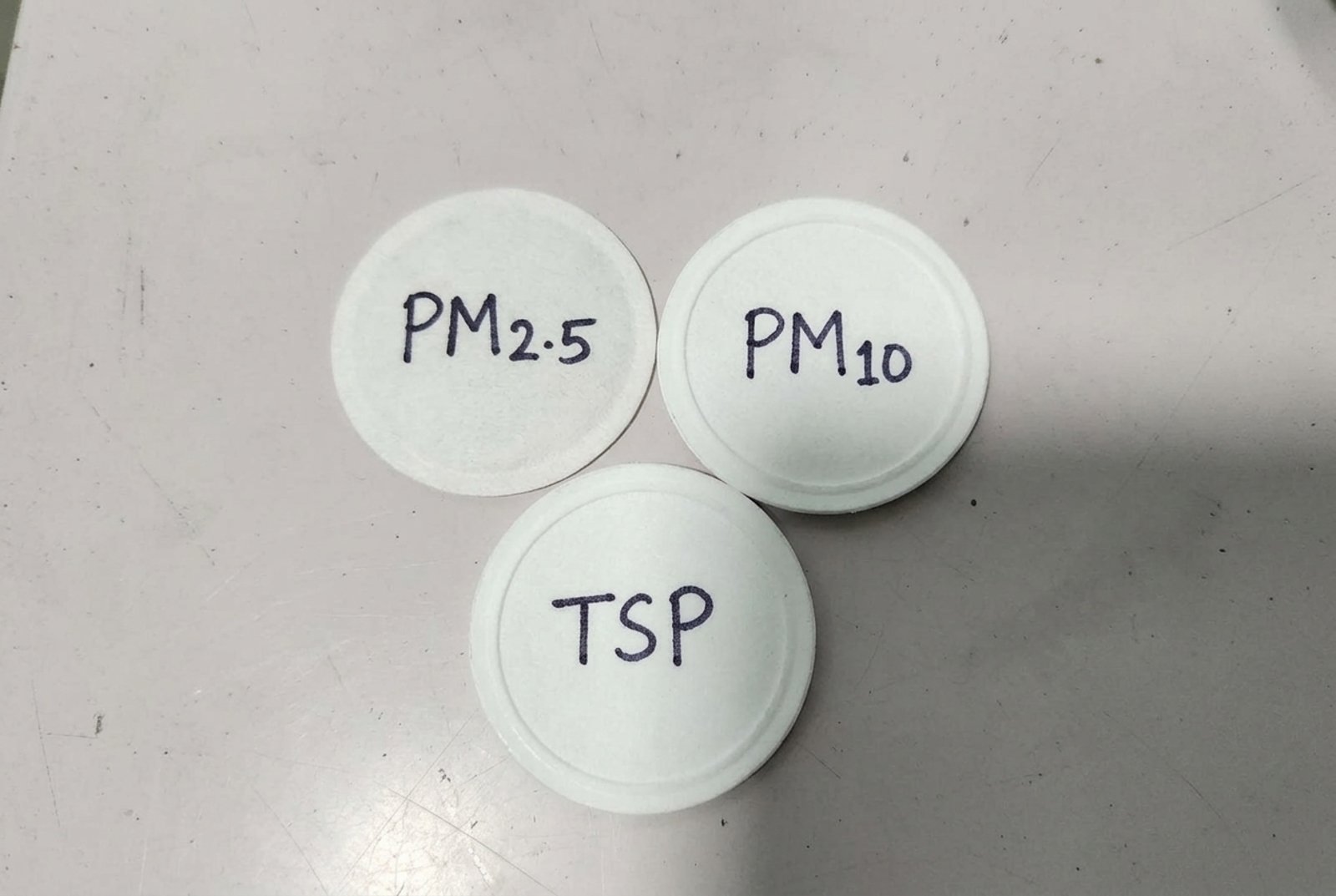
These filters are used in various applications. For example, PM2.5 filters are crucial for studying fine particulate matter that can penetrate deep into the lungs. PM10 filters are used for monitoring larger particles that may cause respiratory issues as well.[^4] TSP filters are often used in general air quality assessments, capturing a broad range of particulate matter.
Diving deeper into these filters, it's important to understand their differences.
| Filter Type | Particle Size | Common Applications |
|---|---|---|
| PM2.5 | < 2.5 micrometers | Health studies, pollution assessments |
| PM10 | < 10 micrometers | Environmental monitoring, air quality reports |
| TSP | All sizes | General air quality monitoring |
Each type of filter has specific uses and is designed to capture different particles. Understanding their roles helps ensure accurate testing results.
How Are Organic and Inorganic Compounds Determined in Ambient Air?
Another critical application of air sampling filters is in determining organic and inorganic compounds in ambient air. Organic compounds may include volatile organic compounds (VOCs), while inorganic compounds can include metals and other non-carbon-based substances.
Filters designed for these purposes help identify potential pollutants in the air. Organic compound filters are often treated to capture specific chemicals, while inorganic filters use different materials to collect metals and minerals.[^5]
Understanding the specific needs for monitoring these compounds is essential. Knowing what you want to measure helps in choosing the right filter. For instance, if you are interested in measuring hydrocarbons, you might use a specific organic compound filter designed for that purpose. In contrast, for metals, you'd select a filter that captures those elements effectively.
To further explain:
| Compound Type | Filter Type | Example Applications |
|---|---|---|
| Organic | Specially treated filters | VOC detection, chemical analysis |
| Inorganic | Metal capture filters | Heavy metal monitoring, environmental assessments |
Choosing the right filter ensures you get accurate and reliable results.
What About Smoke Stack Gas Monitoring?
Smoke stack gas monitoring is another area where air sampling filters play a significant role. These filters help capture emissions from industrial processes.
Using the correct filter can help monitor pollutants released into the air, like sulfur dioxide or nitrogen oxides.[^6] This monitoring is crucial for ensuring compliance with environmental regulations.
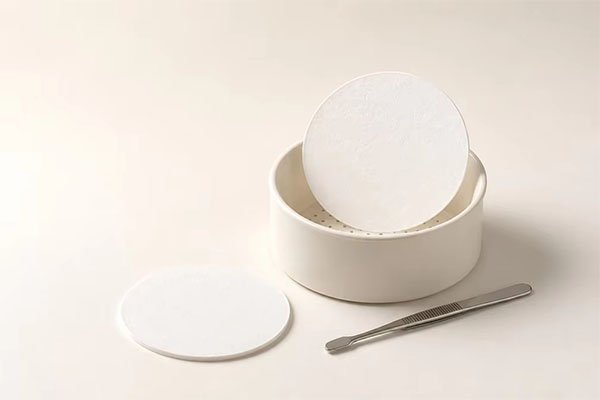
In this context, filters must withstand harsh conditions. They should provide accurate results even in extreme temperatures or corrosive environments.[^7] This requires selecting filters made of durable materials that comply with industry standards.
When it comes to smoke stack monitoring, the following table summarizes key points:
| Monitoring Type | Filter Requirement | Key Pollutants |
|---|---|---|
| Smoke stack emissions | High-temperature resistant | Sulfur dioxide, nitrogen oxides |
| General industrial emissions | Corrosive resistant | Volatile organic compounds |
These filters ensure that industries comply with environmental regulations and maintain air quality standards.
What Are EPA Methods for Air Sampling?
The Environmental Protection Agency (EPA) has established methods for air sampling. These methods provide guidelines for accurately measuring air pollutants.
Filters used in these methods must meet specific criteria to ensure reliable data collection. Following EPA methods helps ensure that results are consistent and accurate.
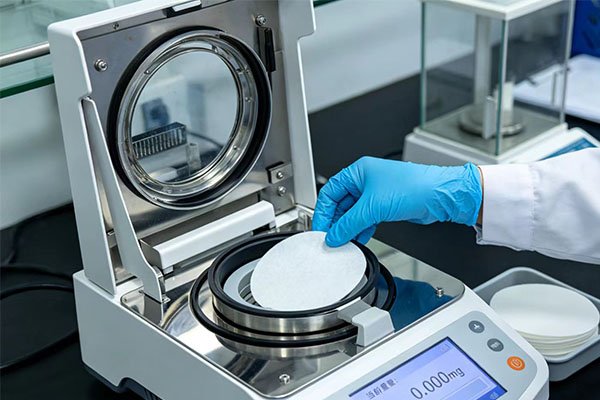
If you are involved in air quality monitoring, it is critical to follow these standards. The EPA provides guidelines that specify the types of filters to use for different applications. This ensures that your sampling and testing meet regulatory requirements.
Here's a brief overview of the EPA air sampling methods:
| Method | Purpose | Recommended Filters |
|---|---|---|
| EPA Method 1 | Stack sampling | High-temperature resistant filters |
| EPA Method 2 | Gaseous pollutant sampling | Specialty gas filters |
| EPA Method 3 | Particle sampling | PM2.5 and PM10 filters |
These methods guide you in selecting the right filters for your specific applications.
Conclusion
Understanding air sampling and testing filters is vital for accurate air quality monitoring. Knowing which filters to use for different applications helps ensure reliable results.
[^1]: "U.S. national PM2.5 Chemical Speciation Monitoring ...", https://pubmed.ncbi.nlm.nih.gov/25562937/. Air-monitoring reference methods and monitoring guidance describe filter-based sampling for particulate matter fractions and subsequent chemical analyses of collected material, supporting the general claim that filters are used across particulate and compound-assessment applications. Evidence role: general_support; source type: government. Supports: Air sampling and testing filters are used for PM2.5, PM10, TSP, and organic or inorganic compound assessments.. Scope note: The source may support the range of applications generally rather than every filter type named in the sentence.
[^2]: "Guidelines for Air Sampling and Analytical Method ...", https://www.cdc.gov/niosh/docket/archive/pdfs/niosh-220/95-117.pdf. Air-sampling quality-assurance guidance identifies filter medium selection, sampling method compatibility, and handling requirements as factors affecting data quality, supporting the claim that filter choice influences measurement accuracy. Evidence role: expert_consensus; source type: government. Supports: Selecting an appropriate filter is necessary for accurate air-sampling results.. Scope note: The support is methodological and does not quantify the error caused by using an incorrect filter in every application.
[^3]: "Particulate Matter (PM) Basics", https://www.epa.gov/pm-pollution/particulate-matter-pm-basics. Regulatory and public-health references define PM2.5 as fine particulate matter with aerodynamic diameter of 2.5 micrometers or less, providing definitional support for the size fraction targeted by PM2.5 sampling filters. Evidence role: definition; source type: government. Supports: PM2.5 monitoring targets particles with aerodynamic diameters of about 2.5 micrometers or smaller.. Scope note: Strictly, the size cut is determined by the sampler inlet and method, not by the filter medium alone.
[^4]: "Clearing the Air: A Review of the Effects of Particulate Matter ...", https://pmc.ncbi.nlm.nih.gov/articles/PMC3550231/. Health-agency summaries identify inhalable coarse particles, including PM10, as capable of affecting the respiratory system, supporting the claim that PM10 monitoring is relevant to respiratory health. Evidence role: general_support; source type: government. Supports: PM10 monitoring is relevant because inhalable coarse particles may contribute to respiratory health problems.. Scope note: The evidence is population-level health context and does not show that every PM10 source or exposure produces respiratory effects.
[^5]: "Compendium of Methods for the Determination of Toxic ...", https://www.epa.gov/amtic/compendium-methods-determination-toxic-organic-compounds-ambient-air. Air-sampling methods describe the use of treated filters, sorbents, and specified filter media for collecting different chemical classes, including organic vapors and particulate metals, supporting the principle that media chemistry is selected for target analytes. Evidence role: mechanism; source type: government. Supports: Different filter or sampling media are selected or treated according to the chemical species being measured.. Scope note: For many VOCs, sorbent tubes or canisters rather than conventional filters are used, so the support is contextual rather than a universal description of all organic-compound sampling.
[^6]: "Method 5 - Determination of Particulate Matter Emissions ...", https://www.epa.gov/sites/default/files/2021-05/documents/method_5_-_2020_12_07_0.pdf. Stationary-source monitoring methods include filter trains and sampling media for collecting particulate matter and associated emissions, while separate instrumental or wet-chemical methods measure gases such as sulfur dioxide and nitrogen oxides, supporting the broader point that method-specific sampling components are used for stack pollutants. Evidence role: general_support; source type: government. Supports: Stack-emission monitoring requires appropriate sampling components for pollutants released from industrial sources.. Scope note: Filters alone generally do not measure sulfur dioxide or nitrogen oxides directly; the support applies to method-specific stack sampling systems rather than a filter-only measurement.
[^7]: "Method 5 - Determination of Particulate Matter Emissions ...", https://www.epa.gov/sites/default/files/2021-05/documents/method_5_-_2020_12_07_0.pdf. Stationary-source sampling methods specify filter materials, probe temperatures, and recovery procedures for hot or chemically complex flue gases, supporting the claim that stack-sampling media must tolerate demanding sampling conditions. Evidence role: mechanism; source type: government. Supports: Filters and sampling components used in stack monitoring may need heat and chemical resistance to preserve measurement accuracy.. Scope note: The exact temperature and chemical-resistance requirements depend on the stack method and pollutant being measured.


