

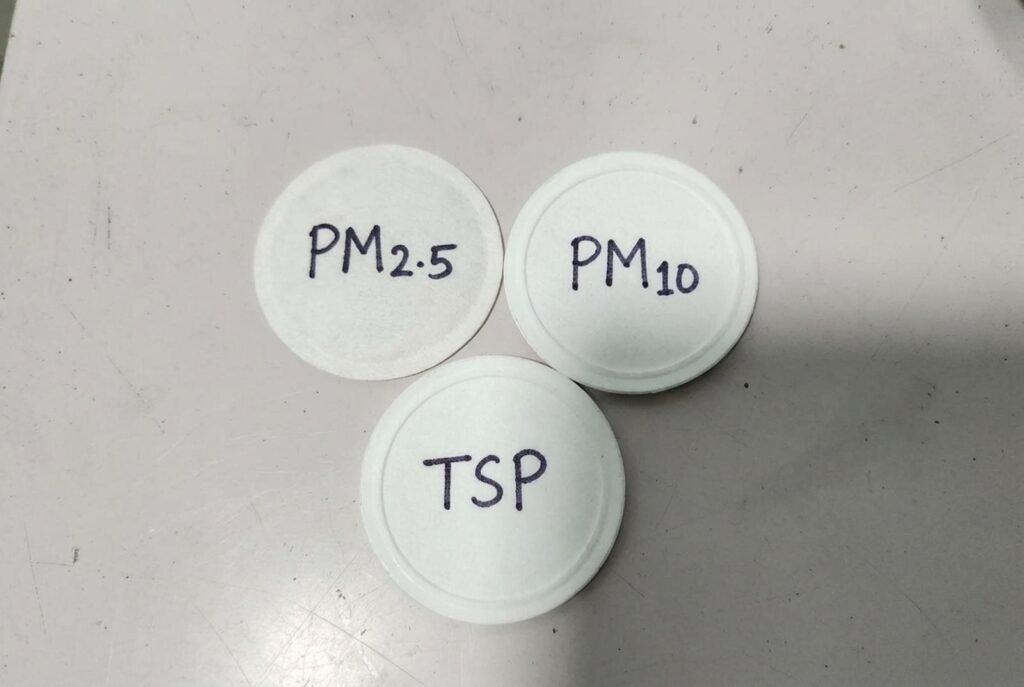
Environmental monitoring demands precision, reliability, and efficiency[^1]. When it comes to filtration, many laboratories rely on high-quality materials, but are glass microfiber filters the best option for these applications?
Yes, glass microfiber filters are highly suitable for environmental monitoring[^2] because of their exceptional filtration efficiency, high purity, and compatibility with various testing methods such as air sampling and water quality analysis[^3].
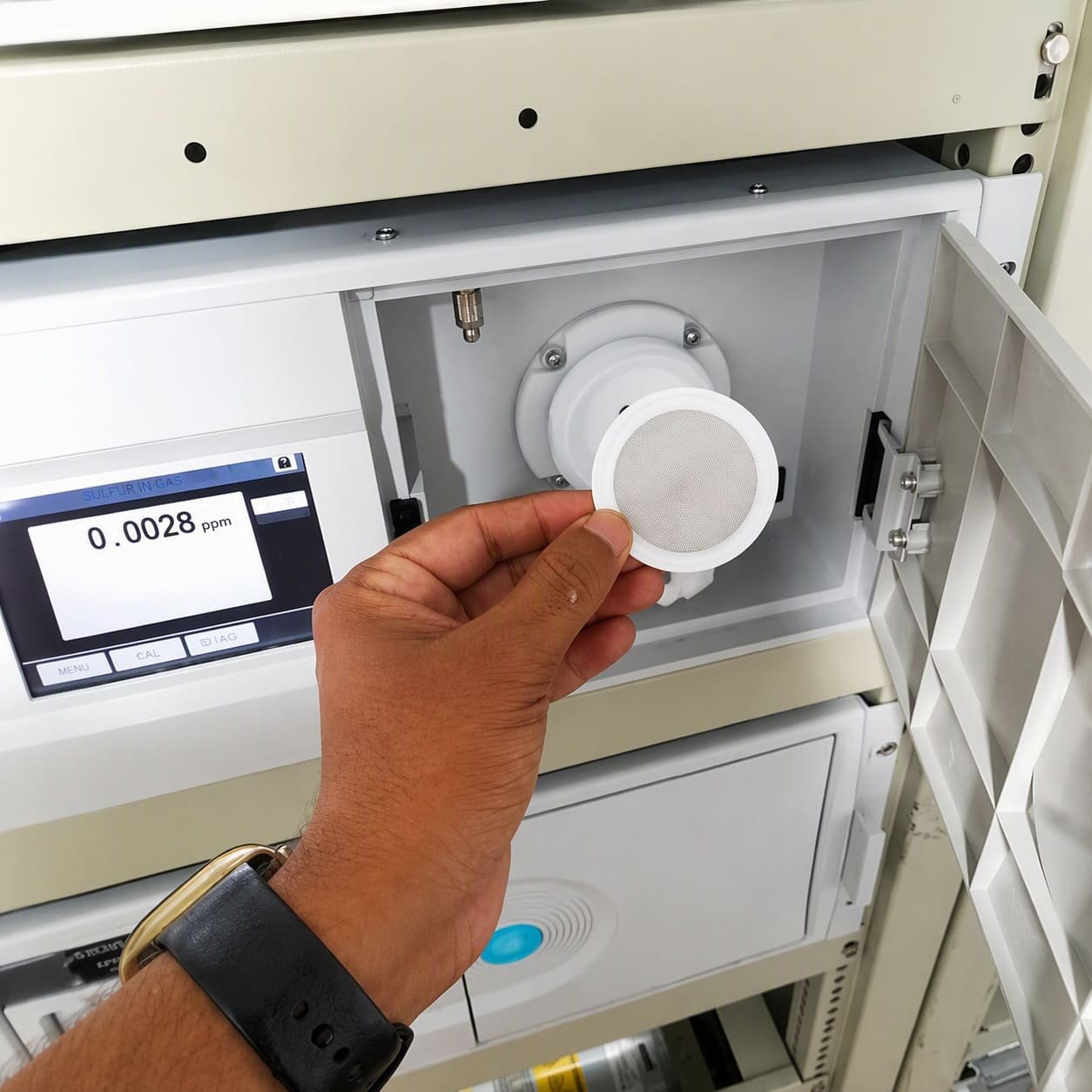
Glass microfiber filters are widely recognized for their performance in environmental monitoring, but there are nuances to consider. Let’s explore their suitability, features, and how HuaEnv is making strides in providing high-quality alternatives to industry giants.
What makes glass microfiber filters effective for air sampling?
Air quality monitoring is a critical process to ensure public health and environmental protection[^4]. But how do glass microfiber filters contribute to accurate air sampling results?
Glass microfiber filters are highly efficient at capturing particles as small as 0.3-0.5 microns[^5], making them ideal for measuring particulate matter like PM2.5 and TSP in ambient air.
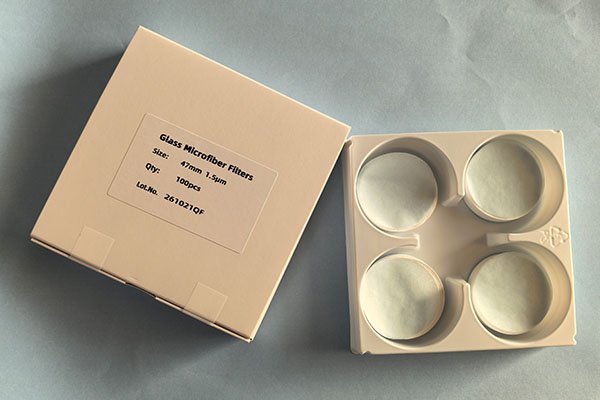
HuaEnv's glass fiber filters, such as GF/A and EPM2000 grades, are specifically designed for air sampling applications. Their high efficiency and binder-free composition[^6] ensure that captured particles are accurately measured and analyzed without interference. Moreover, with customizable sizes like 8x10 inches and the capacity to supply large volumes, HuaEnv's filters cater to the demanding needs of environmental monitoring companies and labs. Free samples are available for testing, allowing clients to evaluate the filter's compatibility with their equipment and methods.
Can glass microfiber filters replace high-cost international brands?
Whatman has long dominated the glass microfiber filter market, but is it possible to find an alternative that matches or exceeds their quality?
HuaEnv produces glass microfiber filters like GF/A, GF/B, GF/C, GF/D, GF/F, 934-AH, and EPM2000 that offer comparable performance at a lower cost, with free samples for evaluation.
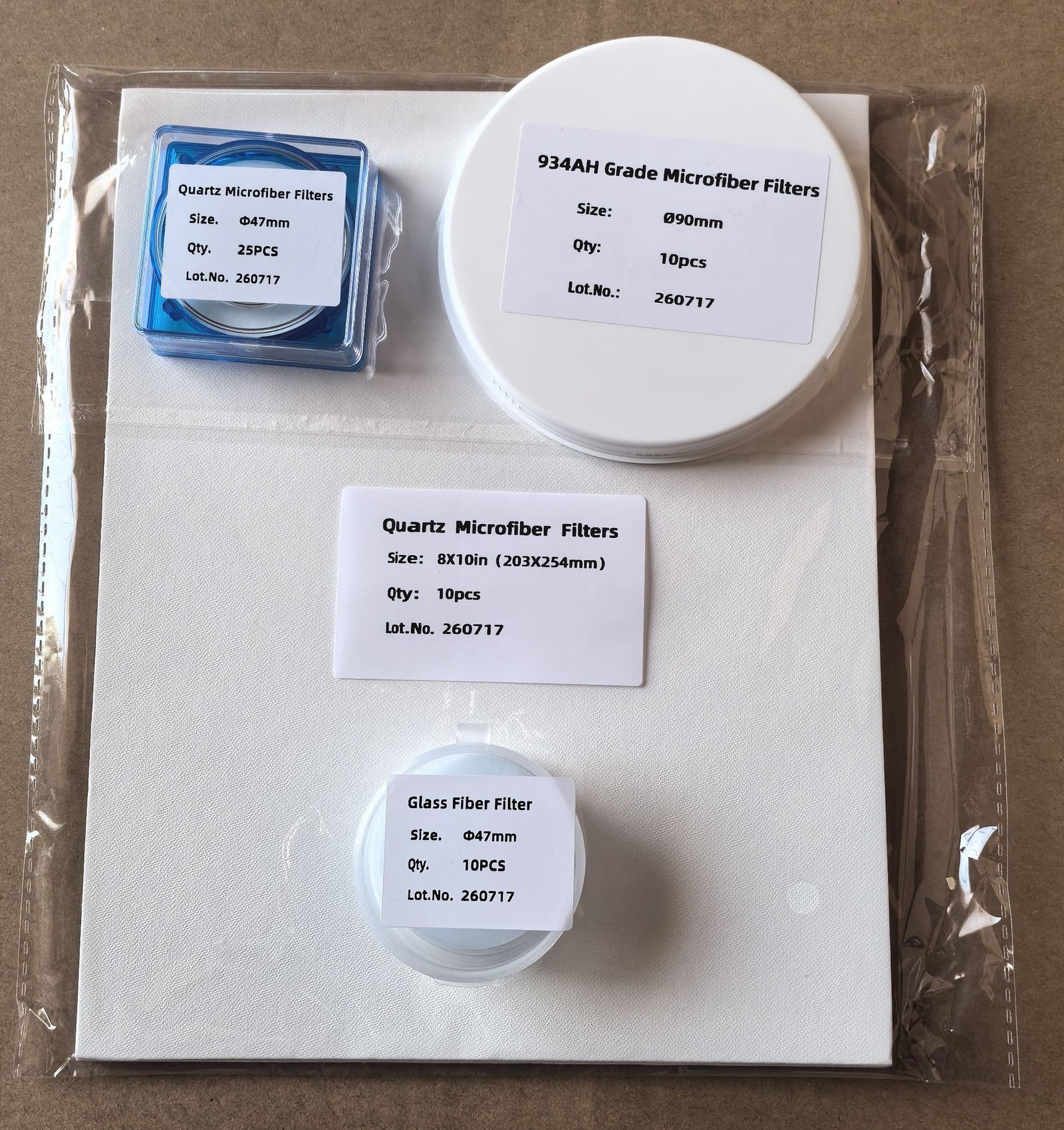
As an OEM manufacturer with over 15 years of experience, HuaEnv ensures precise cutting tolerances, high purity, and adherence to industry standards like RoHS and REACH[^7]. Our filters are tested batch-by-batch to guarantee consistent performance. Many of our customers, including distributors and lab managers globally, have successfully replaced high-cost brands like Whatman, Merck, and Sartorius with HuaEnv glass microfiber filters without compromising quality or reliability. This allows for significant cost savings while maintaining the integrity of experiments and analyses.
How do glass microfiber filters support water quality analysis?
Water quality monitoring requires filters that can handle diverse testing conditions and provide accurate results. Are glass microfiber filters up to the task?
Glass microfiber filters are ideal for water quality analysis due to their ability to retain particles while allowing consistent flow rates[^8] and tolerating chemical exposure[^9].
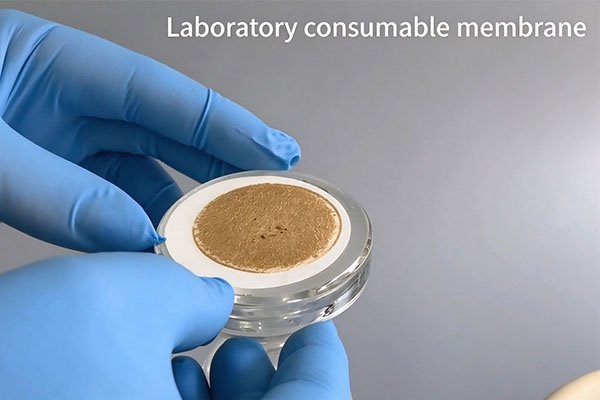
For water testing, filters like GF/C or GF/F are commonly used[^10] due to their fine pore sizes and high particle retention capacity. HuaEnv’s filters are also customizable to meet the specific needs of the application, whether you're testing for sediments, contaminants, or biological components. With strong chemical resistance and high-temperature tolerance, they can be used in a variety of settings, including river monitoring, industrial wastewater analysis, and municipal water treatment plants.
| Grade | Pore Size (μm) | Application | Features |
|---|---|---|---|
| GF/A | 1.6 | Air Sampling | High loading capacity, durable |
| GF/B | 1.0 | Fine Particle Retention | High retention efficiency |
| GF/F | 0.7 | Water Analysis | Ultra-fine particle retention |
| 934-AH | 1.5 | Suspended Solids Measurement[^11] | High precision |
| EPM2000 | 2.0 | Air Sampling | Low flow resistance |
Are glass microfiber filters cost-effective for distributors?
Distributors often face the challenge of balancing cost with quality to meet the needs of their clients. Can glass microfiber filters deliver on both fronts?
HuaEnv's glass microfiber filters are cost-effective, maintain industry-standard quality, and offer flexibility, making them ideal for distributors in environmental monitoring markets.
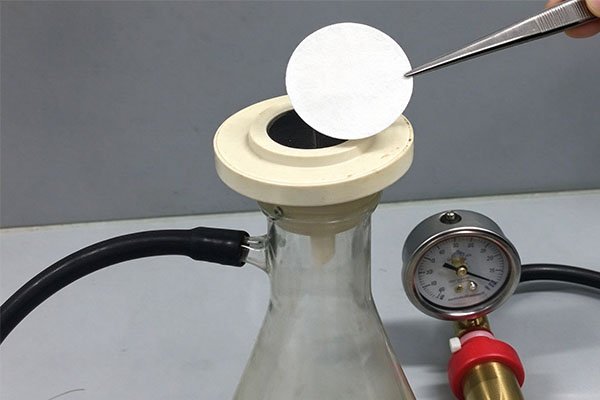
HuaEnv provides flexible purchasing options, including small-batch orders, allowing distributors to meet diverse customer needs without overstocking. Additionally, free samples enable distributors to test compatibility before committing to bulk orders. The high performance of HuaEnv's filters ensures repeat business from laboratories that prioritize reliability and compliance. This makes our products a win-win for both distributors looking for cost-effective solutions and their end customers seeking dependable filtration materials.
Conclusion
Glass microfiber filters are highly effective for environmental monitoring, offering precision, reliability, and cost-efficiency. HuaEnv is proud to provide high-quality alternatives for laboratories and distributors worldwide.
[^1]: "Quality Assurance and Quality Control", https://www.epa.gov/choose-fish-and-shellfish-wisely/quality-assurance-and-quality-control. Environmental monitoring guidance emphasizes quality assurance, data reliability, and fit-for-purpose sampling and analytical methods as prerequisites for defensible environmental data. Evidence role: expert_consensus; source type: government. Supports: Environmental monitoring demands precision, reliability, and efficiency.. Scope note: This supports the general monitoring requirement rather than any specific filter product.
[^2]: "Selection, Preparation and Extraction of Filter Material", https://www.epa.gov/sites/default/files/2019-11/documents/mthd-3-1.pdf. Standard air and water monitoring methods commonly specify or allow glass-fiber or glass microfiber filtration media for particulate collection and suspended-solids analysis, supporting their general suitability in environmental monitoring. Evidence role: general_support; source type: government. Supports: Glass microfiber filters are highly suitable for environmental monitoring.. Scope note: The source would support suitability for recognized methods, not prove that glass microfiber filters are best for every environmental application.
[^3]: "Quality Assurance Guidance 2.12 - Monitoring PM2.5 In ...", https://www.epa.gov/sites/default/files/2021-03/documents/p100oi8x.pdf. Environmental methods for particulate air sampling and suspended-solids water testing use filtration media, including glass-fiber filters, to collect particles for gravimetric or analytical measurement. Evidence role: case_reference; source type: government. Supports: Glass microfiber filters are compatible with testing methods such as air sampling and water quality analysis.. Scope note: This supports use in representative air and water methods, not universal compatibility with all testing protocols.
[^4]: "Ambient (outdoor) air pollution", https://www.who.int/news-room/fact-sheets/detail/ambient-(outdoor)-air-quality-and-health. The World Health Organization and environmental agencies identify ambient air pollution monitoring as essential for assessing exposure, managing air-quality standards, and protecting public health. Evidence role: expert_consensus; source type: institution. Supports: Air quality monitoring is critical for public health and environmental protection.. Scope note: This supports the importance of air-quality monitoring generally, not the performance of any filter type.
[^5]: "Filtration Characteristics of Glass Fiber Filter at Elevated ...", https://nepis.epa.gov/Exe/ZyPURL.cgi?Dockey=91015XO6.TXT. Studies of fibrous filtration media describe interception, impaction, and diffusion mechanisms that enable high collection efficiency for submicron and near-submicron particles under suitable flow conditions. Evidence role: mechanism; source type: paper. Supports: Glass microfiber filters can capture particles in the 0.3–0.5 micron range.. Scope note: This supports the physical plausibility of high collection efficiency in fibrous filters; exact 0.3–0.5 μm performance depends on filter grade, face velocity, loading, and test method.
[^6]: "Whatman-filtration-product-guide.pdf", https://macro.lsu.edu/HowTo/Whatman-filtration-product-guide.pdf. Analytical filtration references note that binder-free glass microfiber filters are used where low extractables, thermal stability, or minimal chemical interference are important to gravimetric and analytical measurements. Evidence role: mechanism; source type: education. Supports: Binder-free glass microfiber filters can help reduce analytical interference in sampling applications.. Scope note: This supports the rationale for binder-free media; actual interference must be verified for the analyte and method used.
[^7]: "RoHS", https://en.wikipedia.org/wiki/RoHS. RoHS restricts specified hazardous substances in electrical and electronic equipment, while REACH establishes European Union requirements for chemical registration, evaluation, authorization, and restriction. Evidence role: definition; source type: government. Supports: RoHS and REACH are recognized regulatory standards relevant to material compliance.. Scope note: These regulations define compliance frameworks; they do not independently verify that any named filter product complies with them.
[^8]: "Filter Pore Size and Aerosol Sample Collection", https://stacks.cdc.gov/view/cdc/181706/cdc_181706_DS1.pdf. Filtration theory and laboratory method guidance treat flow rate as a key operational parameter affected by filter medium, pore structure, particle loading, and pressure differential during water-sample filtration. Evidence role: mechanism; source type: education. Supports: Consistent flow rates are important for water quality filtration and depend on filter media properties.. Scope note: This supports the importance and determinants of flow rate, not a specific flow-rate guarantee for the named filters.
[^9]: "Materials Compatability", https://scs.illinois.edu/system/files/inline-files/MaterialsCompatability.pdf. Glass fiber filtration media are generally described as chemically resistant to many solvents and reagents because the matrix is inorganic borosilicate glass rather than cellulose or polymeric binder. Evidence role: mechanism; source type: research. Supports: Glass microfiber filters tolerate many chemical exposures used in water quality analysis.. Scope note: Chemical compatibility is reagent-specific; strong alkalis and some aggressive chemicals may attack glass fibers.
[^10]: "A Comparison Of The Use Of The Plastic Membrane Vs. ...", https://nepis.epa.gov/Exe/ZyPURL.cgi?Dockey=94002FG8.TXT. Published aquatic and environmental methods frequently use GF/C or GF/F glass-fiber filters for collecting suspended particles, phytoplankton, chlorophyll, or particulate matter from water samples. Evidence role: case_reference; source type: paper. Supports: GF/C and GF/F filters are commonly used in water quality analysis.. Scope note: This supports common use in selected water-analysis contexts; method choice can vary by analyte, region, and required retention size.
[^11]: "EPA-NERL: 160.2: Non-filterable Residue by Drying Oven", https://www.nemi.gov/methods/method_summary/5213/. Standard methods for total suspended solids determine retained residue by filtering a measured water sample through a prepared glass-fiber filter and drying the residue to constant mass. Evidence role: case_reference; source type: government. Supports: Glass-fiber filters are used for suspended-solids measurement.. Scope note: This supports the use of glass-fiber filtration for suspended-solids measurement but not the superiority of any particular commercial grade.

