
You need to run an extraction, but you're not sure if a [cellulose thimble][^1] is the right choice. Using the wrong one can lead to failed experiments and wasted samples.
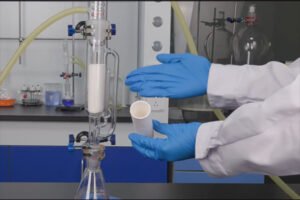
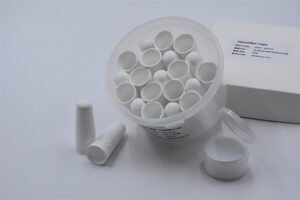
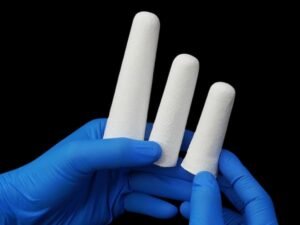
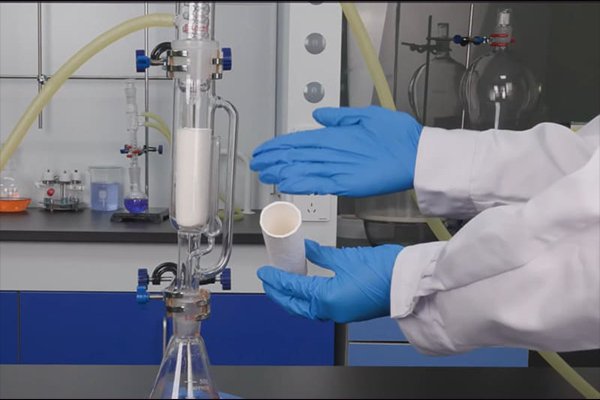
A [cellulose thimble][^1] is primarily used for standard [Soxhlet extractions][^2] at temperatures below 120°C. Its most common application is analyzing [fat content in food][^3], oil in agricultural products, and other general extractions where high heat is not required.
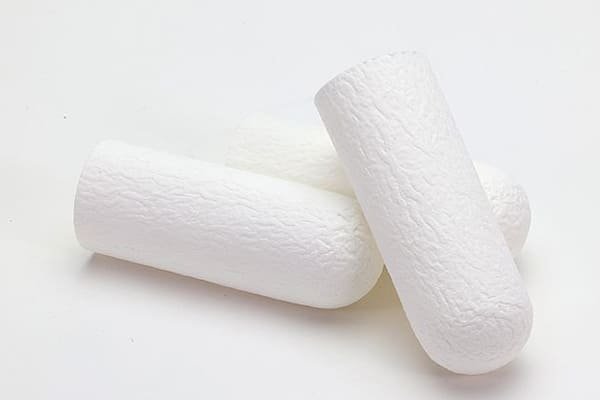
As a manufacturer with over two decades of experience, I see millions of thimbles come off our production lines. Cellulose thimbles are the workhorses of many labs. They are designed for a very specific, but very common, set of tasks. They are not meant for every situation, and understanding their exact purpose is key to getting reliable results. Let's break down when you should use a [cellulose thimble][^1] and when you should choose something else.
When should you use a [cellulose thimble][^1] instead of other types?
You see options like glass fiber and quartz, and they seem more durable. You are worried that choosing cellulose might be a mistake, costing you time and money.
Use a [cellulose thimble][^1] for low-temperature applications (under 120°C). For high-temperature or acidic conditions, like in [environmental air monitoring][^4], you must use a glass fiber or [quartz thimble][^5]. Choosing the right one saves money and ensures success.
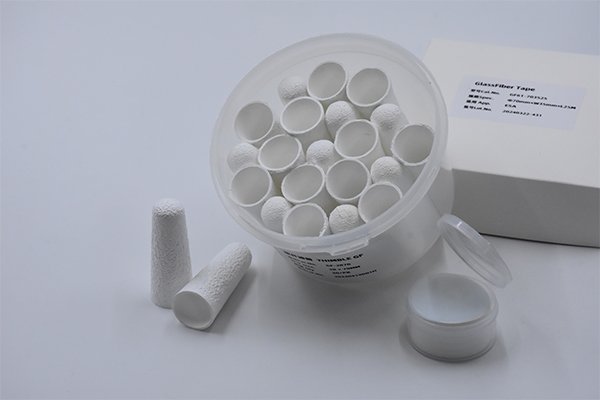
In our factory, we produce all three types, so I can tell you that using the right material is not about which one is "best" overall, but which one is right for your specific job. Over-specifying is a common way labs waste money. A [cellulose thimble][^1] is perfect for its intended purpose. It is made from [high-quality alpha-cellulose cotton linter][^6], designed for high performance in automated Soxhlet systems.
The main difference is temperature. Cellulose thimbles are limited to about 120°C. In contrast, glass microfiber thimbles can handle up to 500°C, and [quartz thimbles][^5] can go above 800°C. This is why glass fiber and quartz are used for environmental testing, like sampling hot gas from a smokestack. A [cellulose thimble][^1] would simply burn up in that situation. So, if your application involves high heat or harsh acids, cellulose is not the right choice. For everything else, it is often the most efficient and economical option.
| Feature | Cellulose Thimble | Glass Microfiber Thimble | Quartz Thimble |
|---|---|---|---|
| Max Temperature | ~120°C | ~500°C | >800°C |
| Primary Use | Food/Fat Analysis | Environmental Monitoring | Ultra-Pure, High-Temp Analysis |
| Main Advantage | Cost-effective for standard use | High heat & chemical resistance | Extreme purity & heat resistance |
| Common Application | Soxhlet Extraction Only | Environmental & Extraction | Environmental & Extraction |
What are the most common applications for [cellulose thimbles][^1]?
You know [cellulose thimbles][^1] are for "standard" extractions, but you are not sure what that includes. You need clear examples to feel confident in your choice.
The most common uses for [cellulose thimbles][^1] are in the [food and agricultural industries][^7]. They are ideal for determining the fat, oil, and grease content in a wide variety of samples, from potato chips to animal feed.
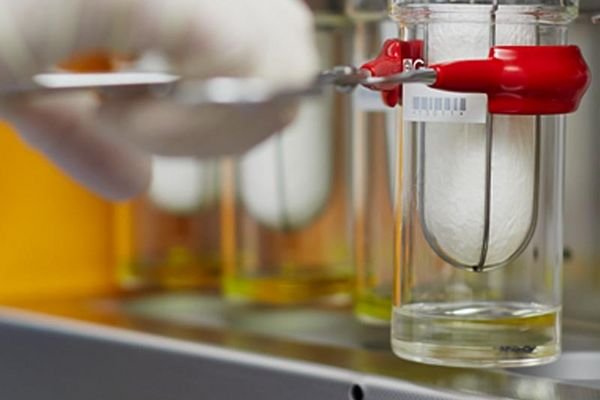
Cellulose thimbles are almost exclusively used inside a Soxhlet extractor. Their design is perfectly suited for this classic technique. When people talk about standard extraction, they are usually referring to these applications.
In the food industry, these thimbles are essential. Labs use them to measure the fat content of meat, check the oiliness of snack foods, and verify the nutritional information on labels. The process is straightforward: a dried, ground food sample is placed in the thimble, and a solvent repeatedly washes over it, extracting the fat. Because this process happens at the solvent's boiling point, which is usually well below 120°C, cellulose is the perfect material.
In agriculture, they are used to analyze the oil content of seeds like soybeans or sunflower seeds. This information is critical for determining the value of a harvest. They are also used to analyze animal feed to ensure it meets [nutritional requirements][^8].
The key takeaway is that [cellulose thimbles][^1] are specialists. They are not used for the [high-temperature air monitoring][^9] common in environmental science. That field belongs to glass fiber and [quartz thimbles][^5]. Cellulose is for the world of organic extraction in food, agriculture, and similar lab environments.
Why should you partner with a [specialized thimble manufacturer][^10]?
You need a steady supply of quality thimbles, but big brand names are expensive. Cheaper alternatives from unknown suppliers seem risky and could ruin your experiments.
Partnering with a specialized factory gives you direct access to high-quality, [cost-effective products][^11]. As a Chinese manufacturer with a complete supply chain, we offer excellent quality at a great price, and we are looking for [global distributors][^12].
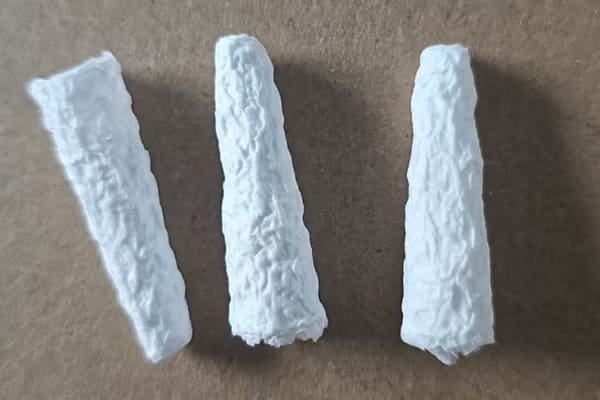
China is the world's manufacturing hub for a reason. Our established and complete supply chains allow us to produce high-quality lab consumables very efficiently. As a factory specializing in filtration materials for over 20 years, we have mastered this process. We produce thimbles that meet [international quality standards][^13] but without the high price tag of the big brands.
For a distributor, this is a huge opportunity. By working directly with a manufacturer like us, you cut out the middleman. You get a reliable supply of products that your customers can trust, and you get it at a price that allows for healthy profit margins. We control the entire process, from sourcing the raw alpha-cellulose cotton to final inspection, ensuring every thimble is consistent and reliable.
The cost of our glass microfiber and [cellulose thimbles][^1] is quite similar. This means you can offer your customers a choice based purely on their technical needs, not their budget. We are currently looking for global partners to distribute our extraction thimbles. If you supply labs in the food, agricultural, or research sectors, we can provide you with a high-quality, cost-effective product that will keep your customers happy.
Conclusion
Cellulose thimbles are the ideal choice for standard, low-temperature [Soxhlet extractions][^2], especially in food and agricultural analysis. They offer excellent performance and value for their specific applications.
[^1]: Explore this link to understand the specific applications and benefits of cellulose thimbles in lab settings. [^2]: Learn about the Soxhlet extraction process and why cellulose thimbles are essential for it. [^3]: Discover methods for analyzing fat content in food and the role of cellulose thimbles in this process. [^4]: Explore the significance of environmental air monitoring and the thimble types used in this field. [^5]: Explore the uses of quartz thimbles in high-temperature applications and their advantages. [^6]: Find out about alpha-cellulose cotton linter and its importance in producing reliable thimbles. [^7]: Learn how cellulose thimbles are utilized in food and agriculture for accurate analysis. [^8]: Discover the methods used to analyze nutritional requirements in animal feed and the role of thimbles. [^9]: Understand the challenges faced in high-temperature air monitoring and the thimble solutions available. [^10]: Discover the benefits of partnering with specialized manufacturers for reliable lab supplies. [^11]: Learn how to source cost-effective lab supplies without compromising on quality. [^12]: Find out how to become a global distributor and the opportunities in the lab supply market. [^13]: Explore the importance of international quality standards in ensuring lab consumable reliability.